The MVP Is Dead: Why the Market Is Moving Toward MLP (Minimum Lovable Product)
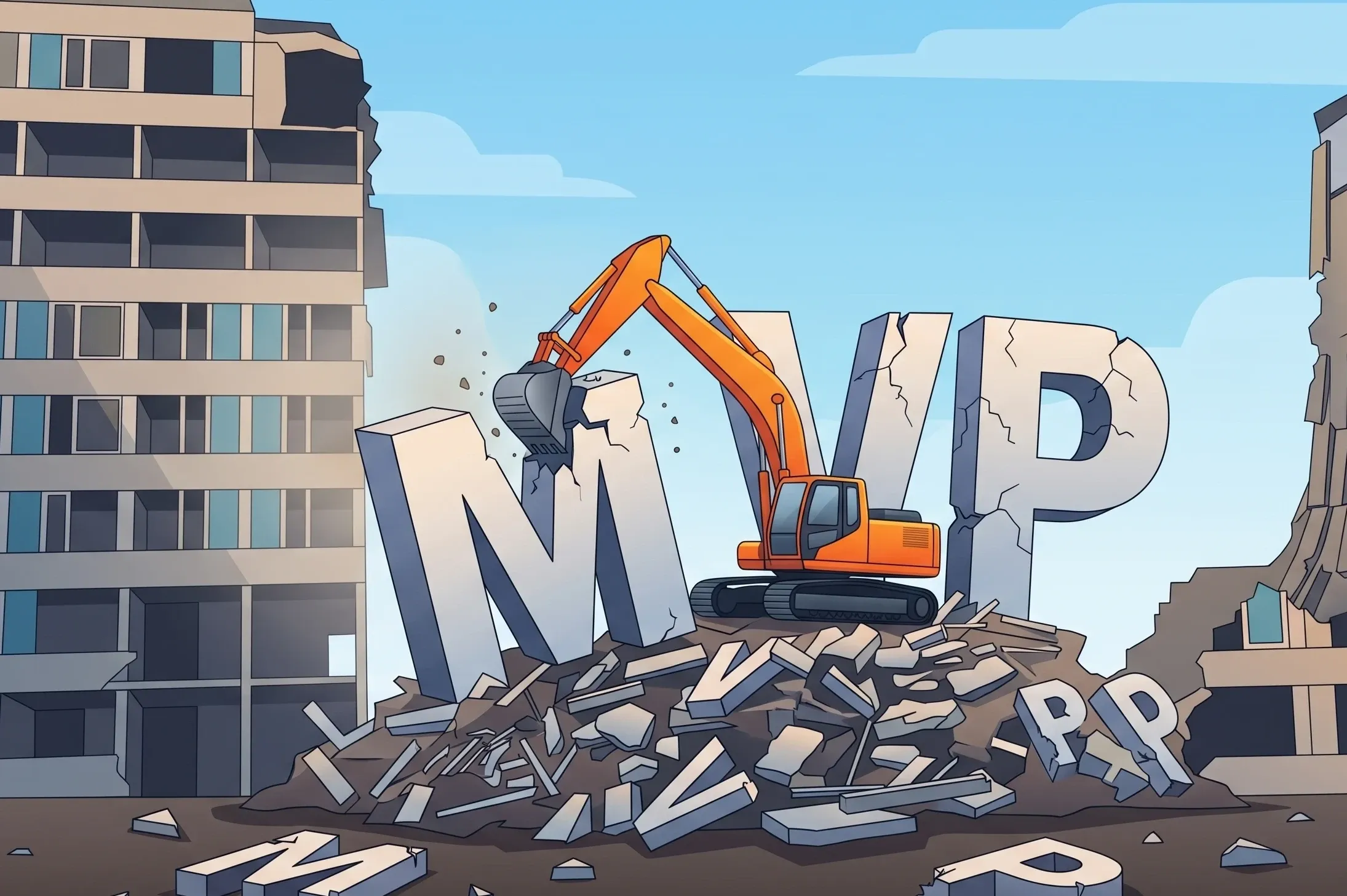
For years, the MVP was treated as the smartest way to build products. The idea was simple: launch something fast, test it, and improve over time. It worked in a world where building software was expensive and slow. Getting anything into users’ hands was already a win. But that reality has changed, and the MVP mindset hasn’t kept up.
Today, building an app is no longer the hard part. AI tools, no-code platforms, and vibecoding have made development faster and cheaper than ever. The barrier to entry has collapsed. Anyone can launch a product in weeks. That shift has flooded the market with options, and suddenly, “viable” is no longer a differentiator.
The problem is that most MVPs don’t just feel minimal — they feel unfinished. Users can tell. They open the app, try it once, and leave. Not because the idea is bad, but because the experience isn’t strong enough to hold their attention. In a world full of polished products, a rough first impression is often the last one.
This is why the conversation is shifting toward the idea of the Minimum Lovable Product. An MLP is not about building more features or delaying launch. It’s about focusing on what actually matters from the user’s perspective. It asks a different question: not “what’s the minimum we can ship,” but “what’s the minimum that feels valuable and worth coming back to.”
That distinction changes how products are designed. Instead of spreading effort across multiple features, teams concentrate on one core experience and make it work exceptionally well. The goal is to create a moment where users immediately understand the value and feel something strong enough to return.
The market itself is forcing this evolution. Users have more choices than ever, and their expectations are shaped by the best products they use daily. They don’t compare your MVP to your roadmap. They compare it to the apps they already love. If the experience doesn’t meet that standard, they move on without hesitation.
At the same time, distribution has become more expensive. Acquiring users is no longer cheap, which means retention matters more than ever. A product that fails to engage users from the start becomes unsustainable quickly. This makes the MVP approach riskier than it used to be, especially in competitive categories.
The shift toward MLP reflects a deeper change in how products succeed. It’s no longer about launching first, but about creating something that resonates immediately. Even early versions need to feel intentional, usable, and complete within their scope. The bar has been raised, whether teams are ready or not.
At Flywheel Studio, this is already visible across projects. The focus has moved away from shipping the fastest version possible, toward building something users actually enjoy using. Speed still matters, but it’s no longer enough on its own. The real advantage comes from combining speed with thoughtful design and strong execution.
The most successful teams today are not building bigger products. They are building sharper ones. They identify a core problem, solve it well, and create an experience that feels polished from the beginning. That’s what turns a product from something people try into something they keep.
The MVP isn’t completely gone, but its role has changed. It’s no longer the end goal — it’s just a step in a broader strategy. What matters now is whether that first version creates enough value to keep users engaged. Because in today’s market, attention is limited, and second chances are rare.
The shift to MLP is not a trend. It’s a response to a new reality. And in that reality, the products that win are not the ones that launch first, but the ones that users don’t want to leave.