Insights
Articles from the Flywheel team
Strategy, engineering, and design lessons from building products that actually ship.

FlutterFlow vs React: The Speed vs Scale Battle Explained
React vs FlutterFlow: compare speed, scalability, and cost. Learn which app development approach is best for startups and growing products in 2026.

The Flywheel Development Process
Flywheel Studio builds Product Led web and mobile applications for venture backed startups. We're not an agency. We're your in-house Product Team.
How Much Does Maintenance Cost?
Flywheel Studio builds Product Led web and mobile applications for venture backed startups. We're not an agency. We're your in-house Product Team.
Stripe Integrations at Scale: The Power of a Shared Client File
When integrating Stripe into a multi-tenant SaaS application, one of the biggest challenges is keeping the payment logic consistent, secure, and adaptable across environments. Without proper structure, teams often duplicate code, hardcode environment variables, or risk mixing test and production configurations.

Why We Build Minimum Loveable Products
The first product development phase at Flywheel Studio is the Minimum Loveable Product or MLP. For us, that’s where every project starts.
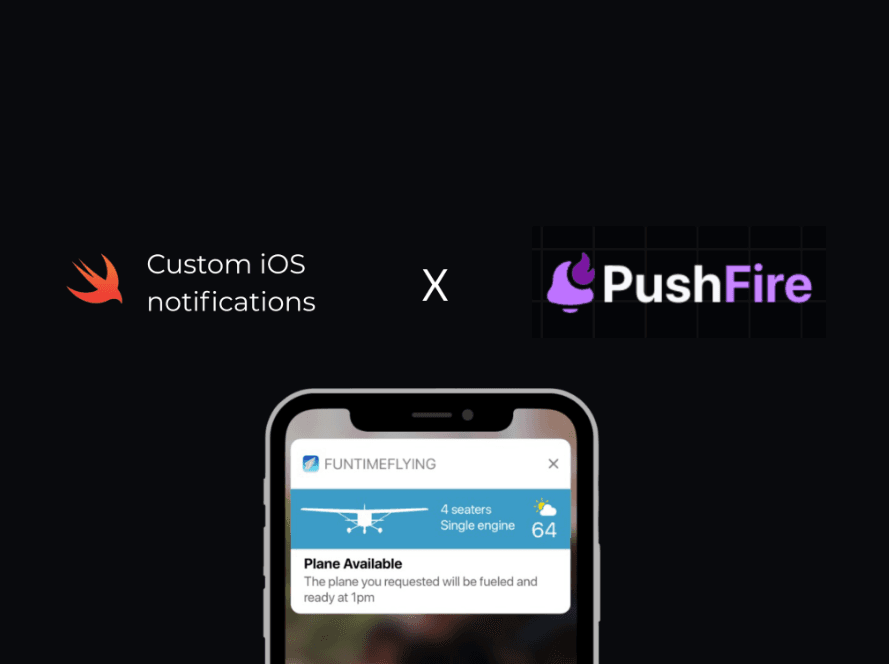
Transforming Push Notifications into a Premium Brand Experience: a combination of design and automation
Most founders treat push notifications as simple alerts. Apple doesn't. Modern iOS notifications can display rich media, custom interfaces, live data, and actionable experiences directly from the lock screen. In this article, we explore how Flywheel Studio and Pushfire transform generic notifications into high-converting product touchpoints that improve engagement, retention, and user experience without ever opening the app.
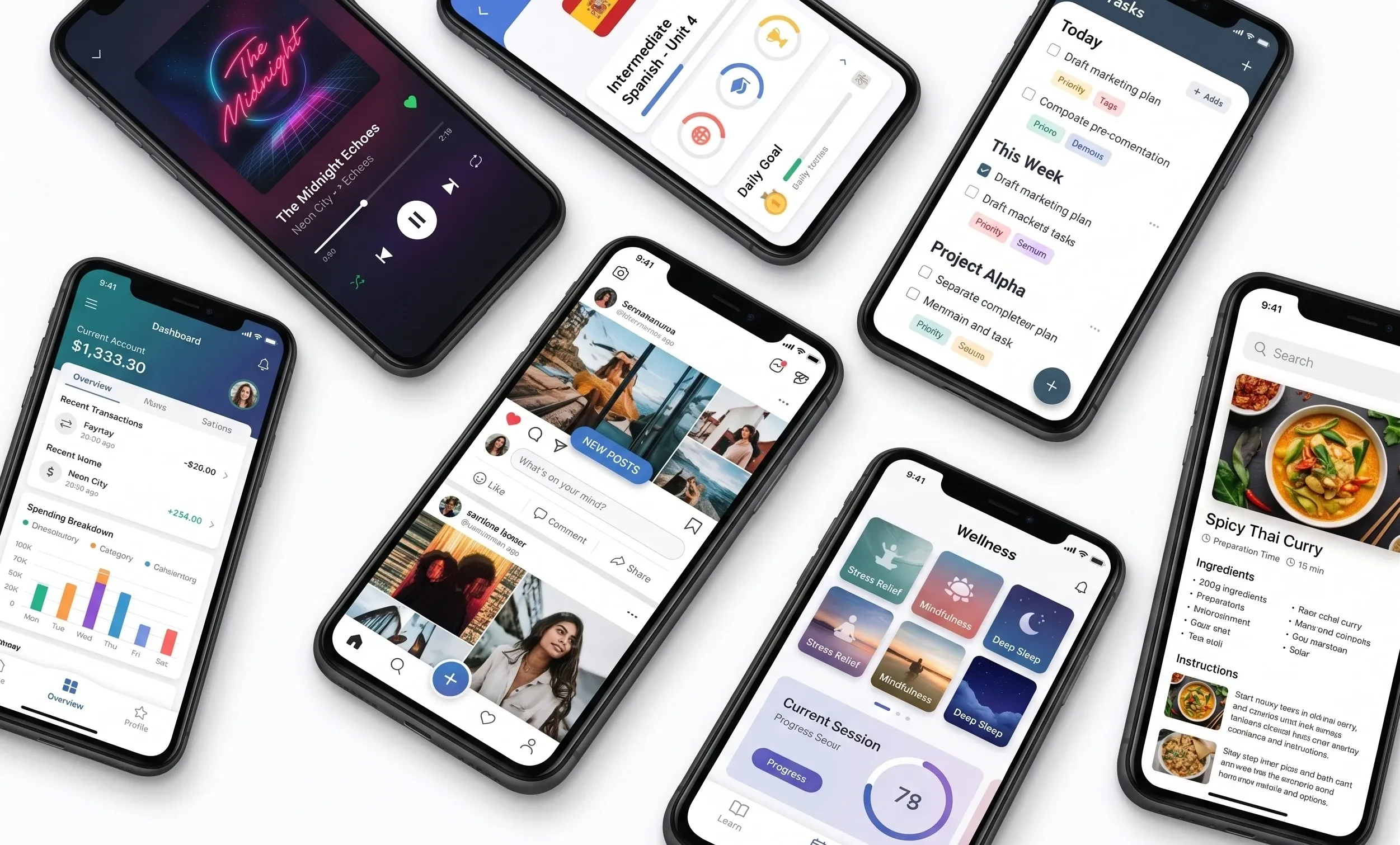
Mobbin MCP + AI: The Secret Shortcut to 1000s of Real App UI Screens
Connecting Mobbin MCP to AI changes how design workflows work. Instead of generating interfaces from assumptions, AI can access thousands of real UI screens and user flows to analyze patterns, improve onboarding, and create smarter product experiences. The result is faster iteration, stronger UX decisions, and AI outputs that feel less generic and more grounded in real-world design.

Flywheel Studio Is Coming to FFDC: Get Free App Audits and Measure Your Mobile Product Maturity
Flywheel Studio is coming to FFDC with free opportunities for founders and product teams to improve their apps. Visit our booth to meet the Flywheel founders, get a free App Audit, and complete our Mobile App Maturity Index to uncover strengths, identify weaknesses, and discover practical opportunities to improve growth, retention, and user experience.

XNXubd VPN Browser: Fast & Secure Tool or Risky Download? (2026 Analysis)
XNXubd VPN Browser is promoted as a fast, secure all-in-one tool, but expert reviews raise serious concerns. With little transparency and APK-based distribution, it may expose users to security risks rather than protect them. What looks convenient could actually compromise privacy, highlighting the danger of trusting unverified VPN apps.
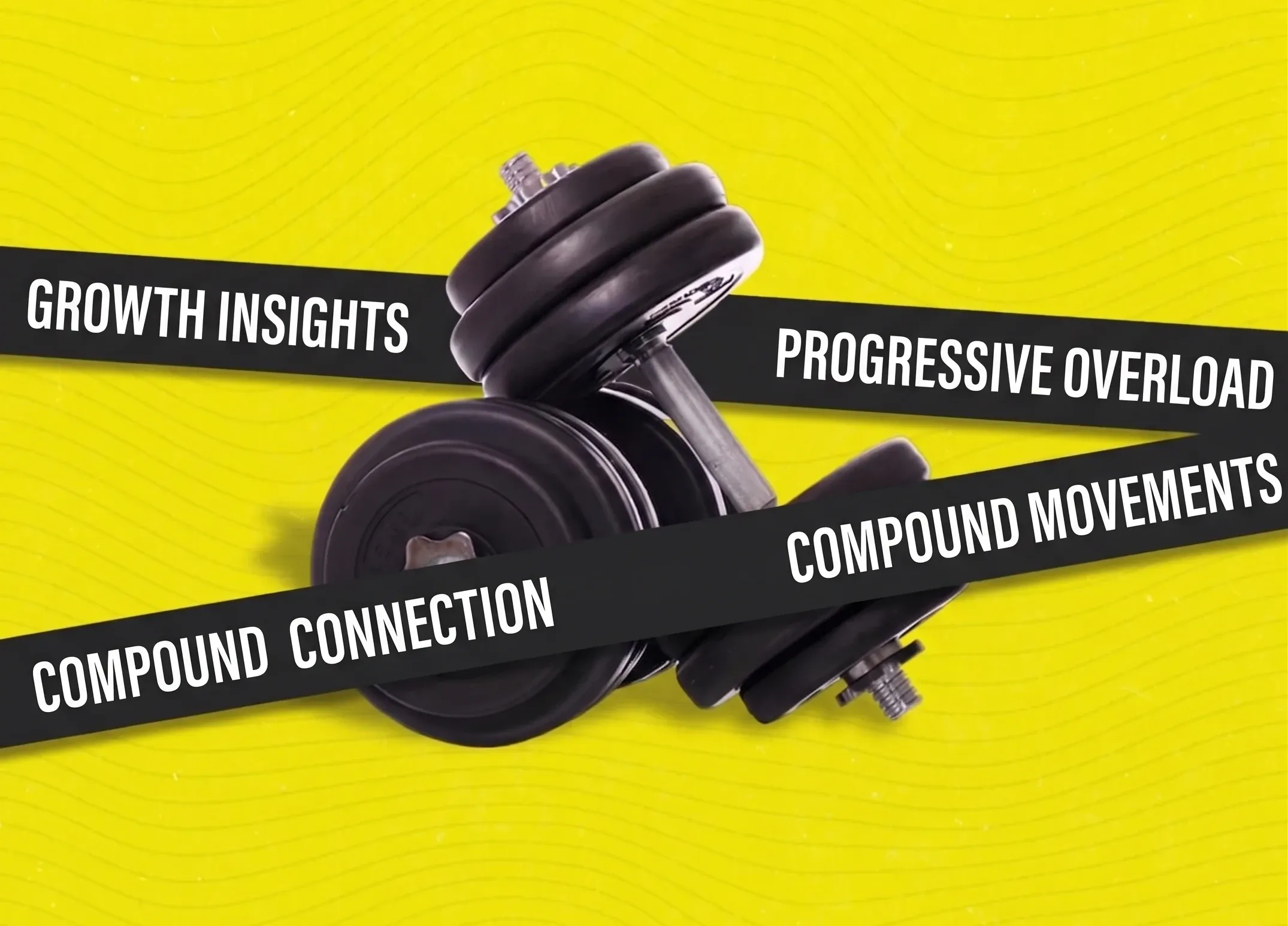
The Secret Growth Loops Behind Addictive Fitness Apps
Discover how growth loops power the most successful fitness apps. Learn how to build habits, improve retention, and scale your app organically.
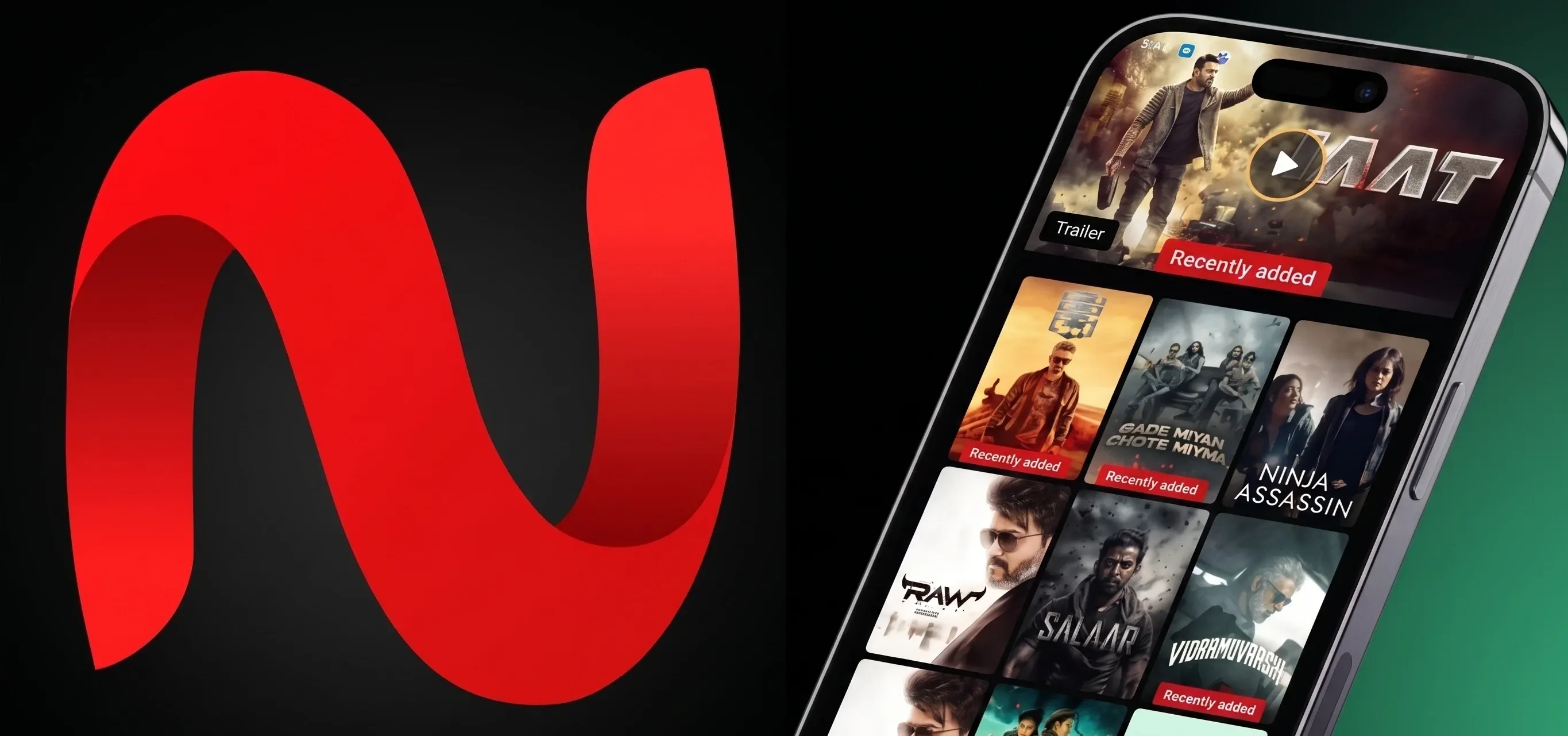
Can You Build an App Like NetMirror with FlutterFlow? What You Need to Know
Can you build a streaming app like NetMirror with FlutterFlow? Learn what’s possible, the risks involved, and how to create a scalable alternative in 2026.

AI Can Write Your Code — But Algebra Makes It Work
Welcome to the era of vibecoding. Today, you can sit down with an AI assistant, describe the dream product you want to exist, and stitch together generated components until they work. You no longer need to memorize strict syntax, read dry textbooks on algorithms, or hold a traditional computer science degree to start shipping software.

Why Most Apps Lose 95% of Their Users (And How the Winners Beat Those Odds)
Most apps lose up to 95% of users shortly after download—not because of tech, but lack of sustained value. In this session, we’ll break down why retention fails and how top apps reverse the trend using habit loops, smart re-engagement, and visible progress to keep users coming back.

AI Will Save Software Development
AI won’t destroy software development—it will improve it by removing repetitive manual tasks and freeing developers to focus on strategy, design, and problem-solving. As AI lowers costs and speeds delivery, businesses will gain access to more customized software. The winners will be teams that combine human judgment with AI, not those relying only on mechanical coding work.
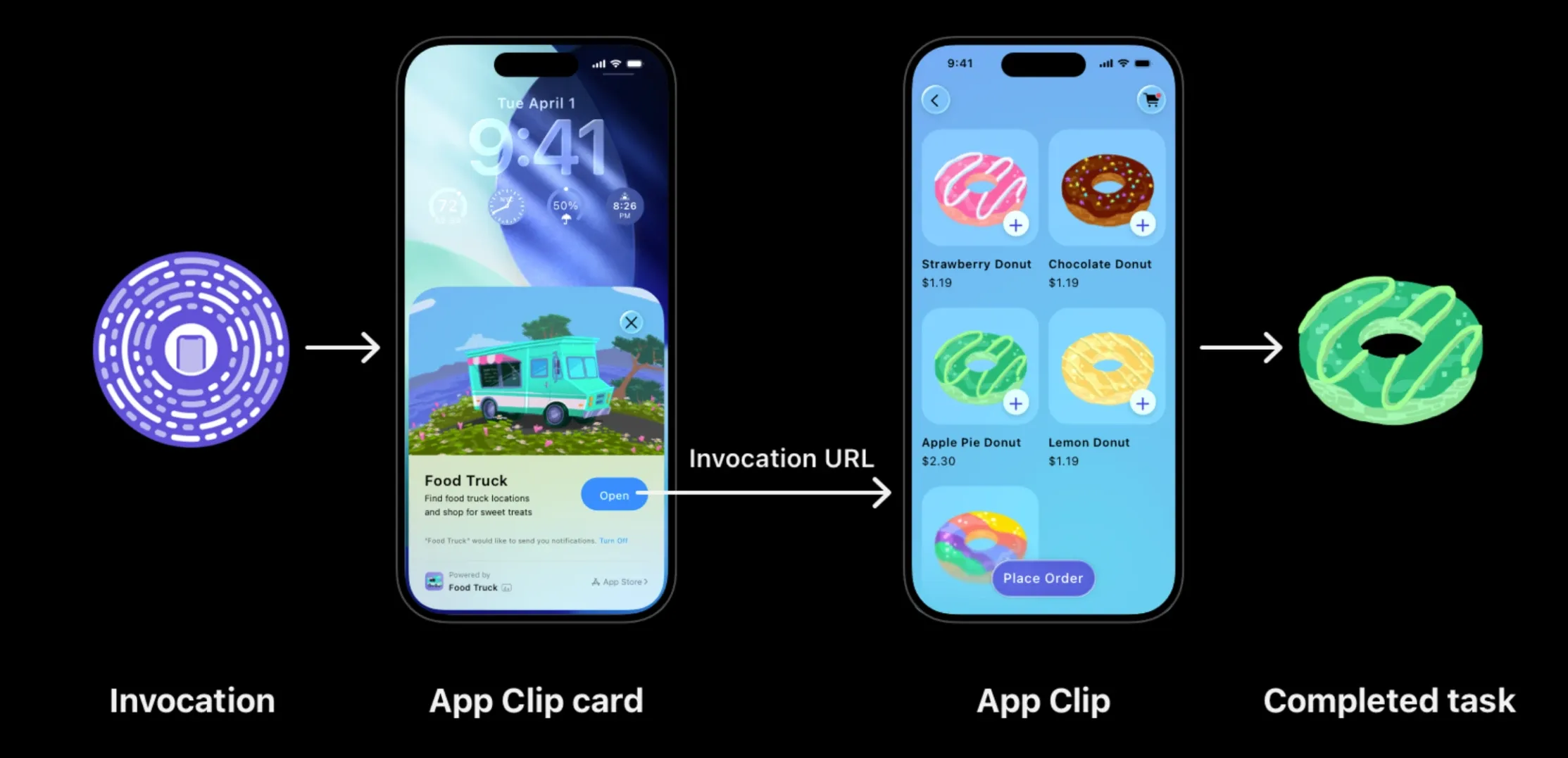
App Clips: Apple’s Secret Weapon for More Conversions in 2026
Most mobile funnels lose users when they’re sent to slow websites or forced to download a full app before seeing value. App Clips solve this by offering instant, native iPhone experiences for tasks like paying, booking, or unlocking services. By removing friction at the moment of intent, businesses can increase conversions, lower acquisition costs, and create a stronger first impression.

The MVP Is Dead: Why the Market Is Moving Toward MLP (Minimum Lovable Product)
For years, the MVP — Minimum Viable Product — was the gold standard of startup development. Build fast, launch early, validate quickly. It made sense in a world where getting something into users’ hands was the biggest challenge.

Why Building an App Is Only Half the Effort Without a Marketing Budget
Building an app is only half the job. Without a clear marketing strategy or budget, even great products go unnoticed. In today’s crowded market, visibility and distribution matter as much as development. Success comes not just from building something valuable, but from making sure the right users discover it and keep coming back.

From $150K to $10K: How AI Is Disrupting App Development
App development is changing fast. AI tools and vibecoding are cutting costs, accelerating timelines, and opening the door for more startups to build products. But cheaper doesn’t always mean better. Understanding when to use no-code tools and when to invest in scalable development is now a key strategic decision for any business.
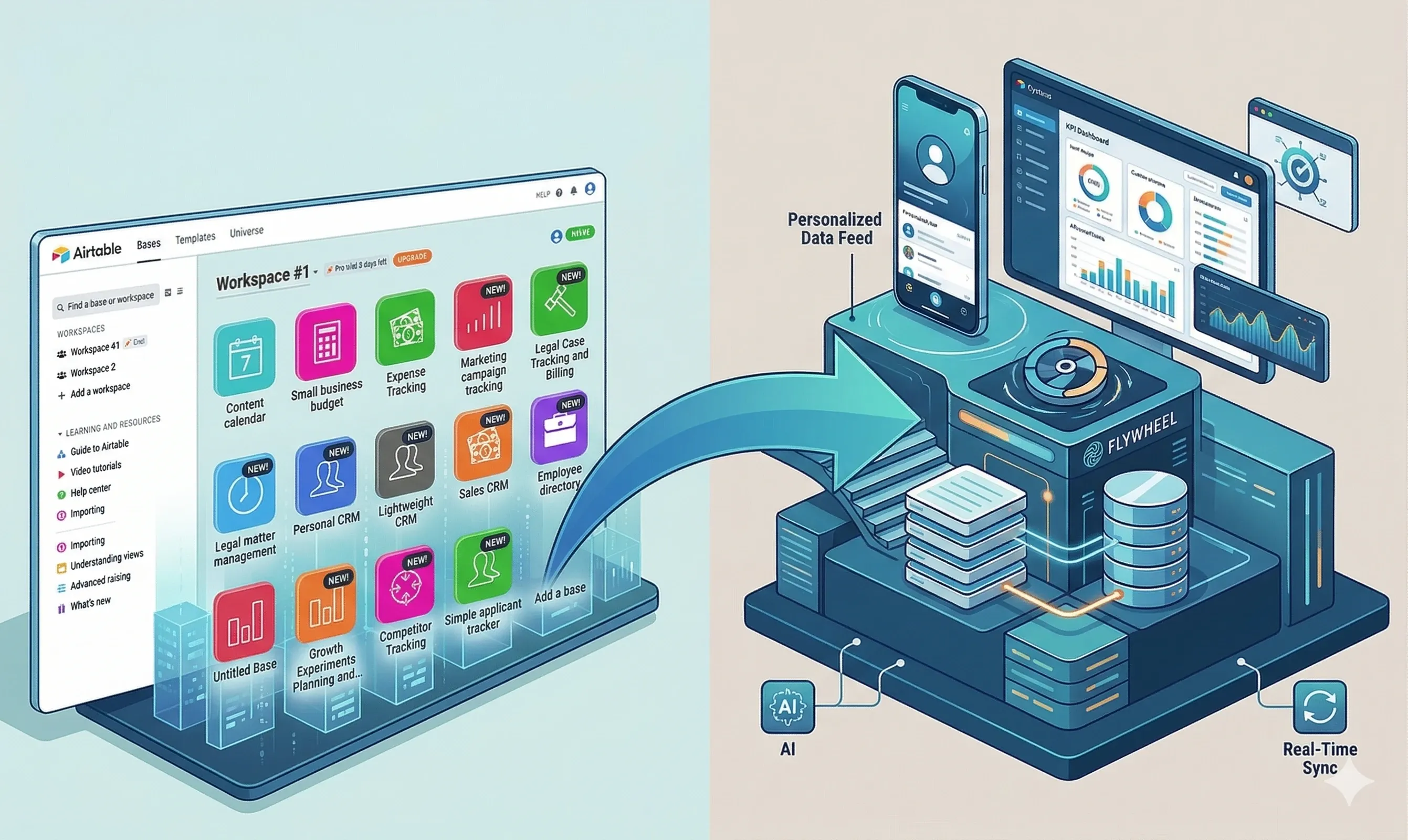
What Is Airtable Used For? And Why an App Development Studio Might Be the Better Solution
Airtable is great for workflows and internal tools, but is it enough? Learn what Airtable is used for and when to switch to custom app development.
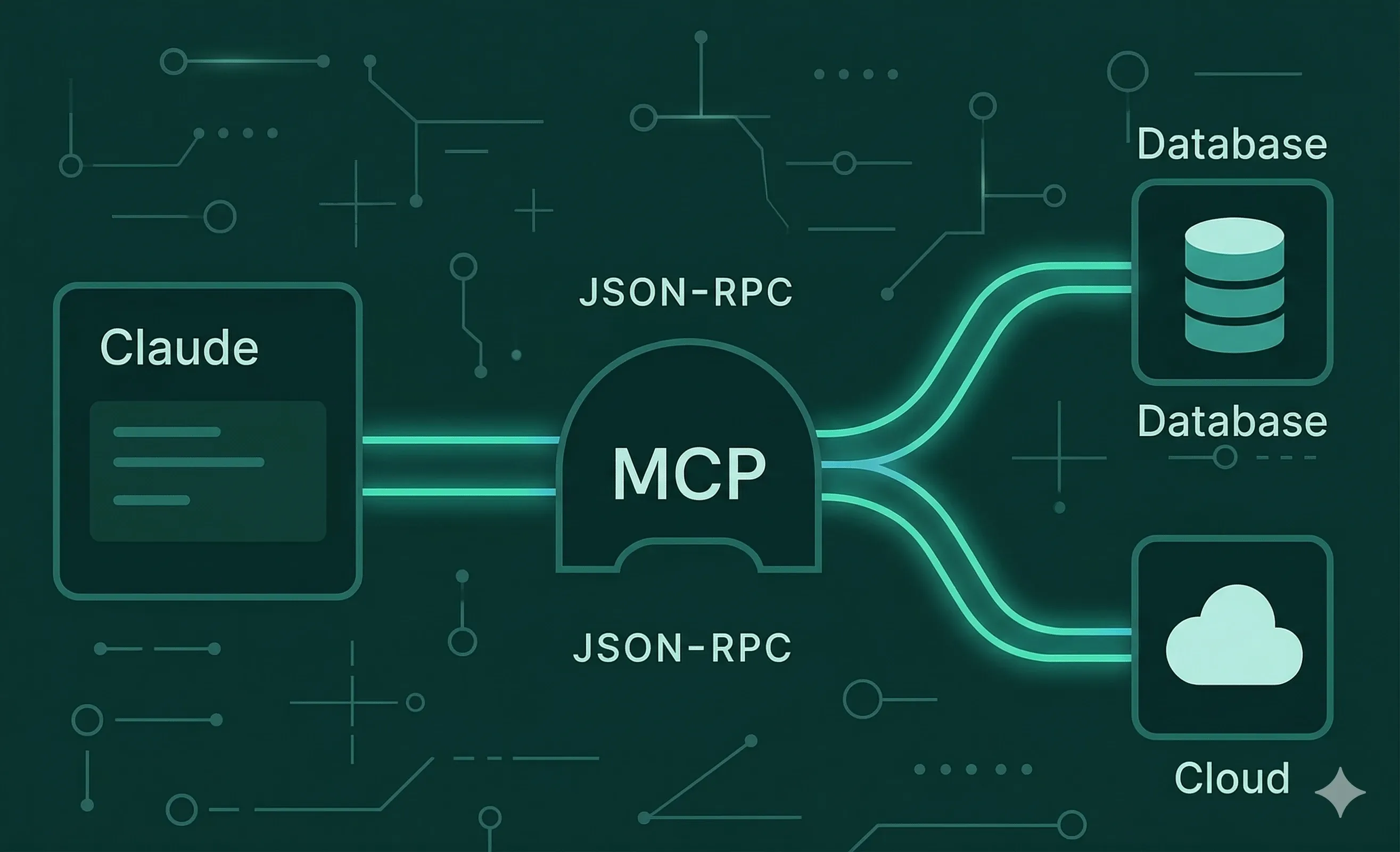
Claude Desktop MCP: How to Add Servers (Step-by-Step Guide)
Discover how to configure MCP servers in Claude Desktop. A simple guide to connect external tools, APIs, and build advanced AI workflows.

Claude Code vs Cursor: Which AI Coding Tool Is Better in 2026?
Claude Code vs Cursor: compare features, use cases, and performance. Learn which AI coding tool is best for your workflow in 2026.
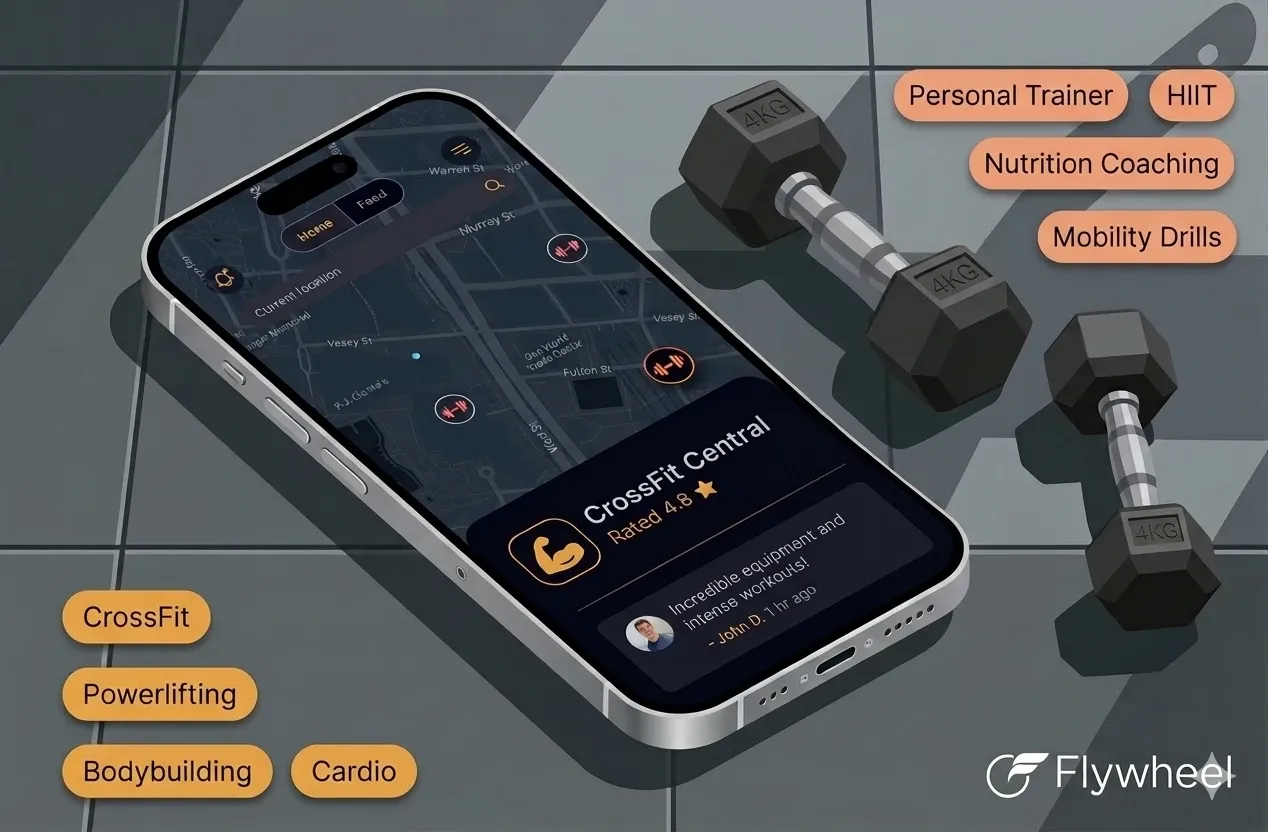
Why Most Fitness Apps Fail And How Smart Startups Build Ones People Actually Use
The fitness industry has undergone a massive digital transformation in recent years. Mobile applications are no longer just a complementary tool — they have become the primary way users interact with fitness brands, trainers, and wellness platforms.

Your App Doesn't Have a Marketing Problem. It Has a Stickiness Problem.
Learn how gamification is transforming physical therapy apps. See how VantaThrive helps patients stay consistent and improves healthcare engagement.
Can You Pull External FlutterFlow Changes Back In?
Discover how to manage external Dart code in FlutterFlow. Understand one-way GitHub sync, custom widgets, and workflow strategies for modern mobile development.
How to Avoid FlutterFlow Merge Conflicts: 5 Tips for Teams
Avoid merge conflicts in FlutterFlow with these expert team workflows. Improve collaboration, reduce errors, and streamline your app development process.
Best Firebase Dynamic Links Alternative for FlutterFlow in 2026.
Firebase Dynamic Links are deprecated. Learn how Ulink helps FlutterFlow developers build smart deep links, reduce drop-offs, and improve app growth.
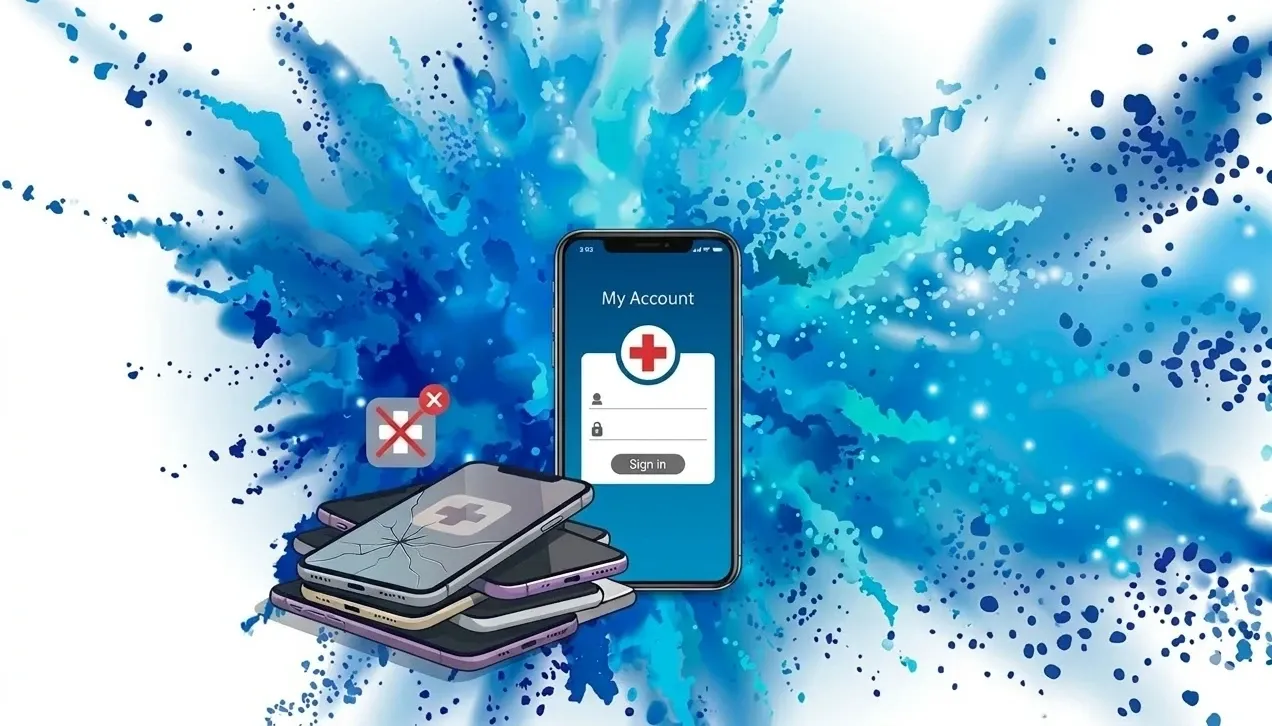
Why Most Healthcare Apps Fail — And How Smart Teams Build Them Right
Most healthcare apps fail to deliver real value. Learn how mobile-native features, daily engagement, and smarter design can transform patient relationships.
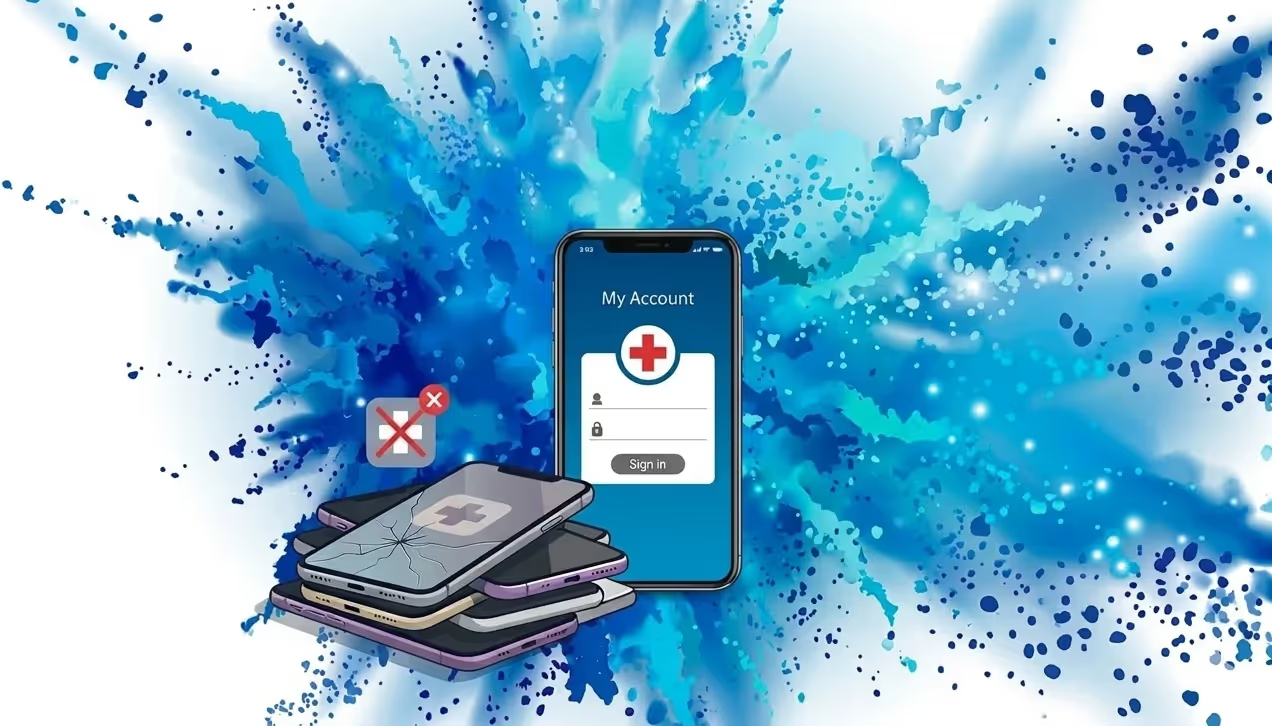
Why Most Healthcare Apps Fail — And How Smart Teams Build Them Right
Most healthcare apps fail to deliver real value. Learn how mobile-native features, daily engagement, and smarter design can transform patient relationships.

Best Telehealth Apps 2026: Top Medical Apps for Doctors and Patients
Discover the best medical apps for Android in 2026. From telehealth and symptom checkers to HIPAA-compliant health platforms, here are the top apps transforming digital healthcare.

East Coast App Development Costs in 2026: What Startup Founders Should Really Budget
App development on the East Coast costs $60,000–$250,000+ in 2026. This founder-focused breakdown covers real costs by city, timelines, offshore vs. local tradeoffs, and how modern platforms like FlutterFlow can cut your budget in half without sacrificing quality.

How to Start a FlutterFlow Business in 2026
Learn how to start a FlutterFlow business in 2026. Discover key steps, skills, niche strategy, and growth tips to launch your app agency successfully.

Doctors Without Apps Are Losing Patients — Here’s Why
In 2026, patients increasingly prefer physicians with mobile apps for faster communication, telehealth access, and secure health management. Here’s why.
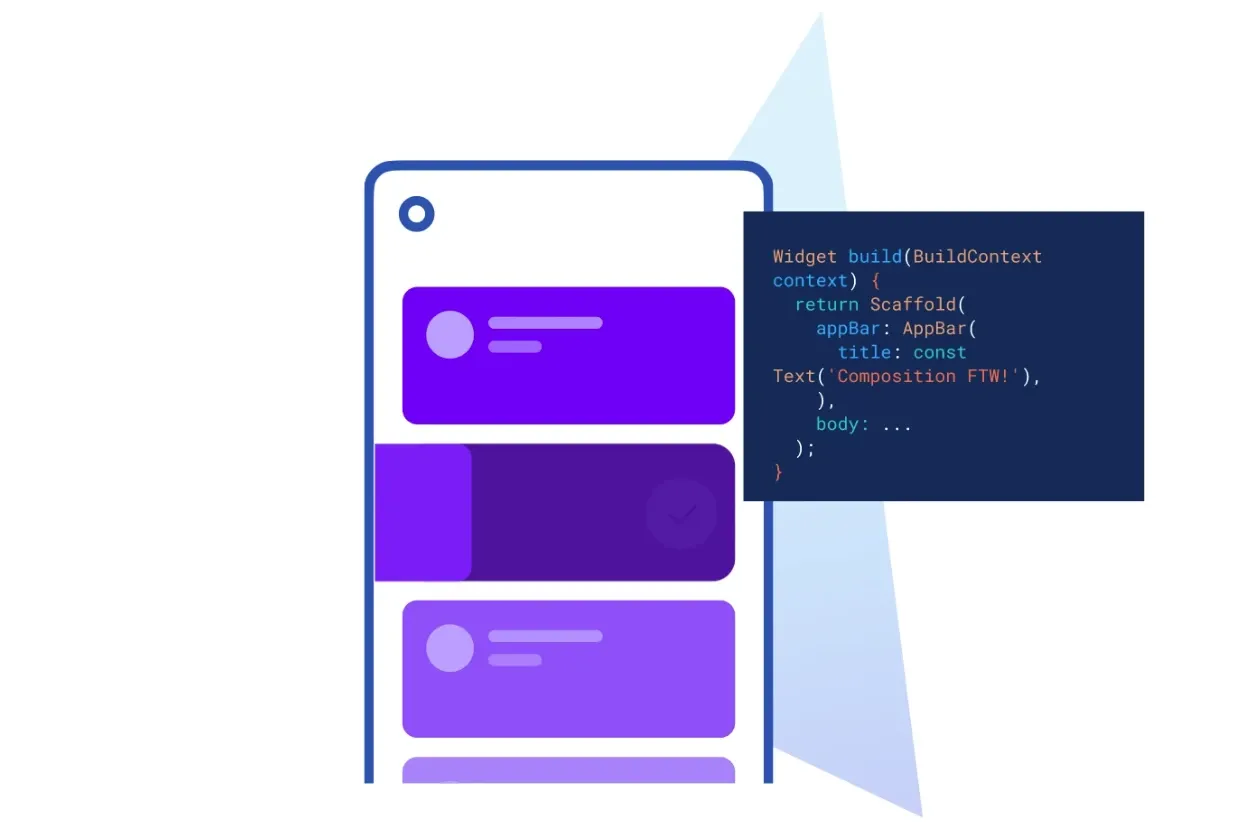
How to Hire Flutter Developers in 2026 And Why FlutterFlow May Be the Smarter Alternative
Thinking about hiring Flutter developers? Discover the real costs, timelines, and why FlutterFlow development with Flywheel Studio may be a smarter alternative in 2026.

Millions Use Women’s Health Apps — But Are Their Data Safe?
In 2026, patients increasingly prefer physicians with mobile apps for faster communication, telehealth access, and secure health management. Here’s why.
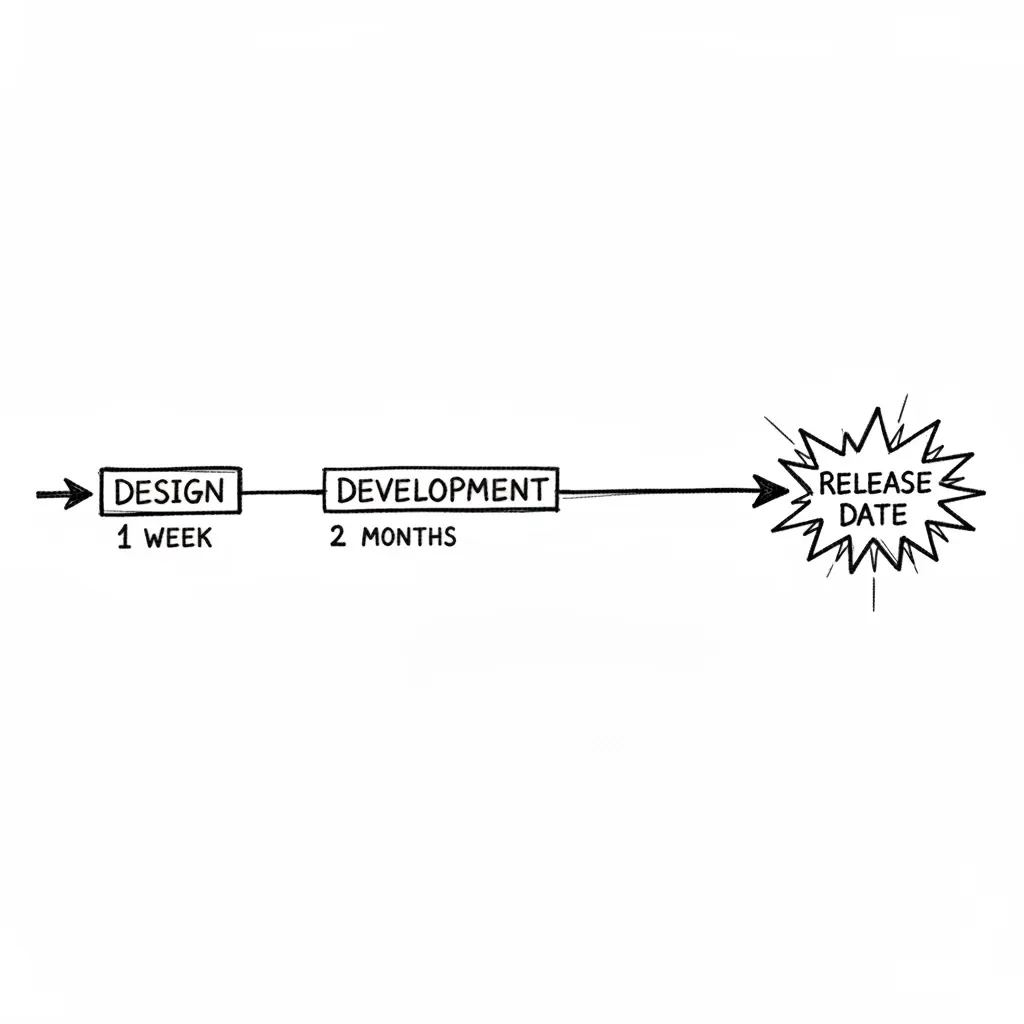
The State of Vibe Coding: February 2026
Vibe coding is speeding everything up, but speed alone won’t save bad ideas. In this piece Erik looks at how AI is reshaping development and design, where guardrails are still essential, and why the next wave will reward strong opinions, not shortcuts.

3 Rules for Designing Successful FSM Apps
Field Service apps fail when they’re designed from quiet offices instead of real-world chaos. This piece breaks down three hard-earned PM lessons from building FSM software that crews actually use why flexibility beats control, how to design for stress, and why proof of work is the real product.

Using Google Maps to Optimize Delivery Routes
Field service teams don’t fail because of demand or talent, but because static tools can’t keep up with real-world chaos. This piece breaks down how real-time route management gives managers live visibility, enables instant rerouting, and keeps dispatch and technicians in sync. The takeaway: flexibility, not rigid scheduling, is what makes field operations scale smoothly.
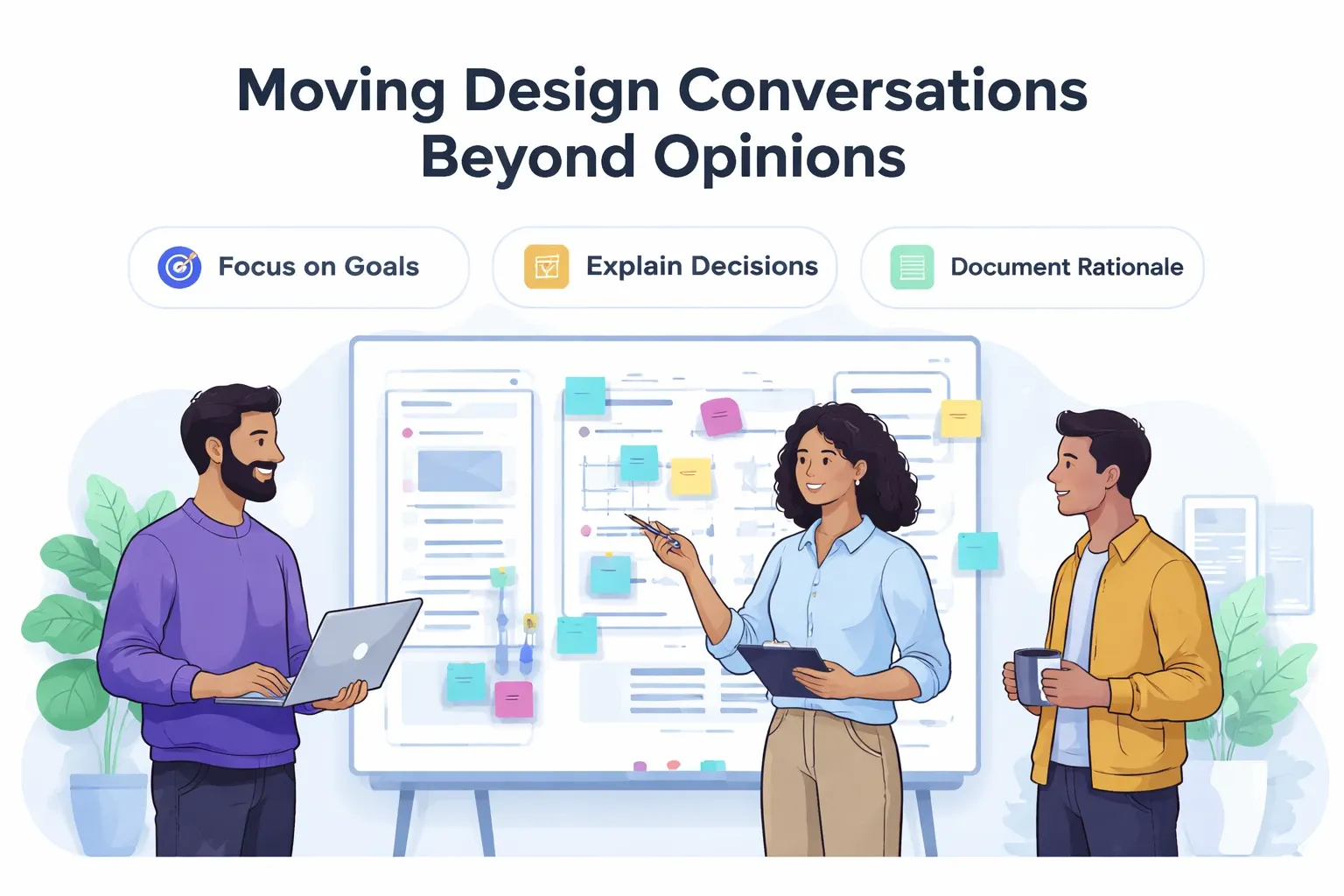
Moving Design Conversations Beyond Opinions
Design reviews often stall when feedback turns into opinion. This piece explores how shifting conversations toward outcomes, user context, and documented decisions helps teams align faster, reduce rework, and treat design as a shared problem-solving process rather than a subjective debate.
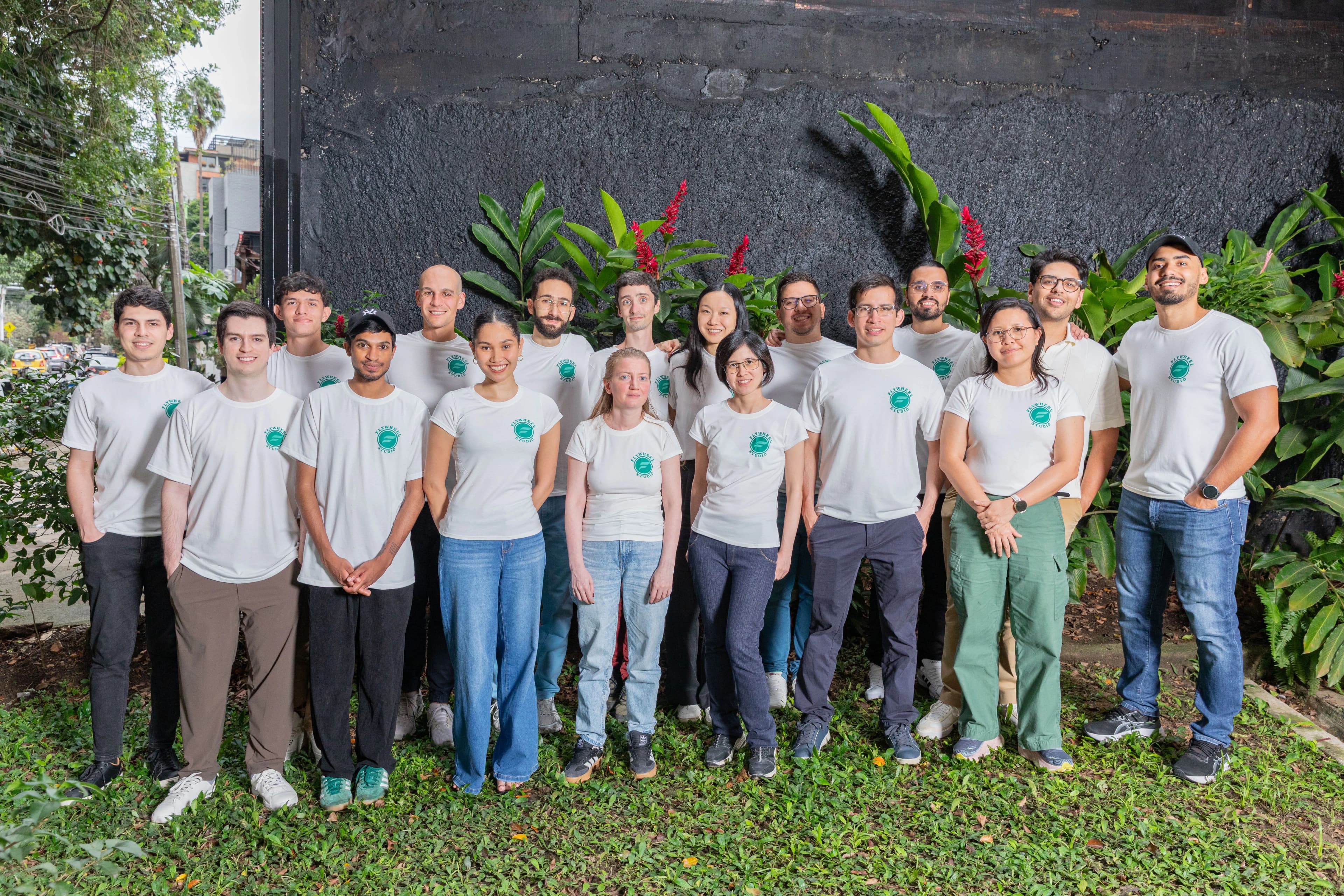
2025 Year-End CEO Letter
A year-in-review outlining Flywheel’s growth, key projects, team updates, and how AI and go-to-market strategy are shaping our development approach and priorities for 2026.
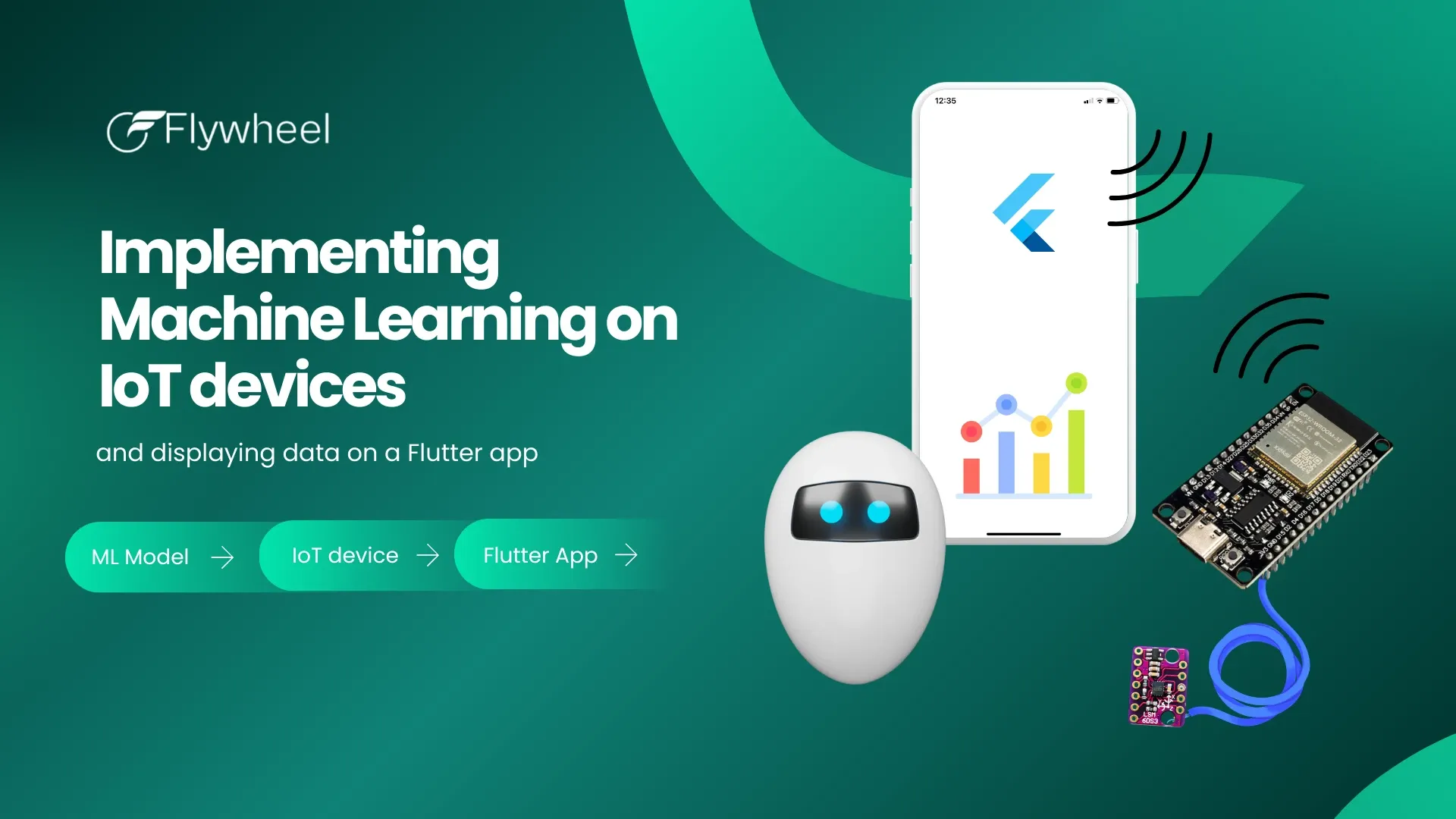
Building a Real-Time Flutter App for ML-Powered IoT Devices
From sensors to intelligence to real-time UI, this article walks through building an ML-powered IoT system using ESP32, on-device inference, BLE, and Flutter. It shows how separating sensing, learning, and display creates responsive, scalable, real-time experiences

Stepping Into 2026 with Intention
2025 demanded clarity — in problem definition, decision-making, and quality. This reflection shares key product lessons from the past year and outlines the principles guiding 2026: building with intention, resisting premature certainty, and focusing on long-term trust over short-term speed.
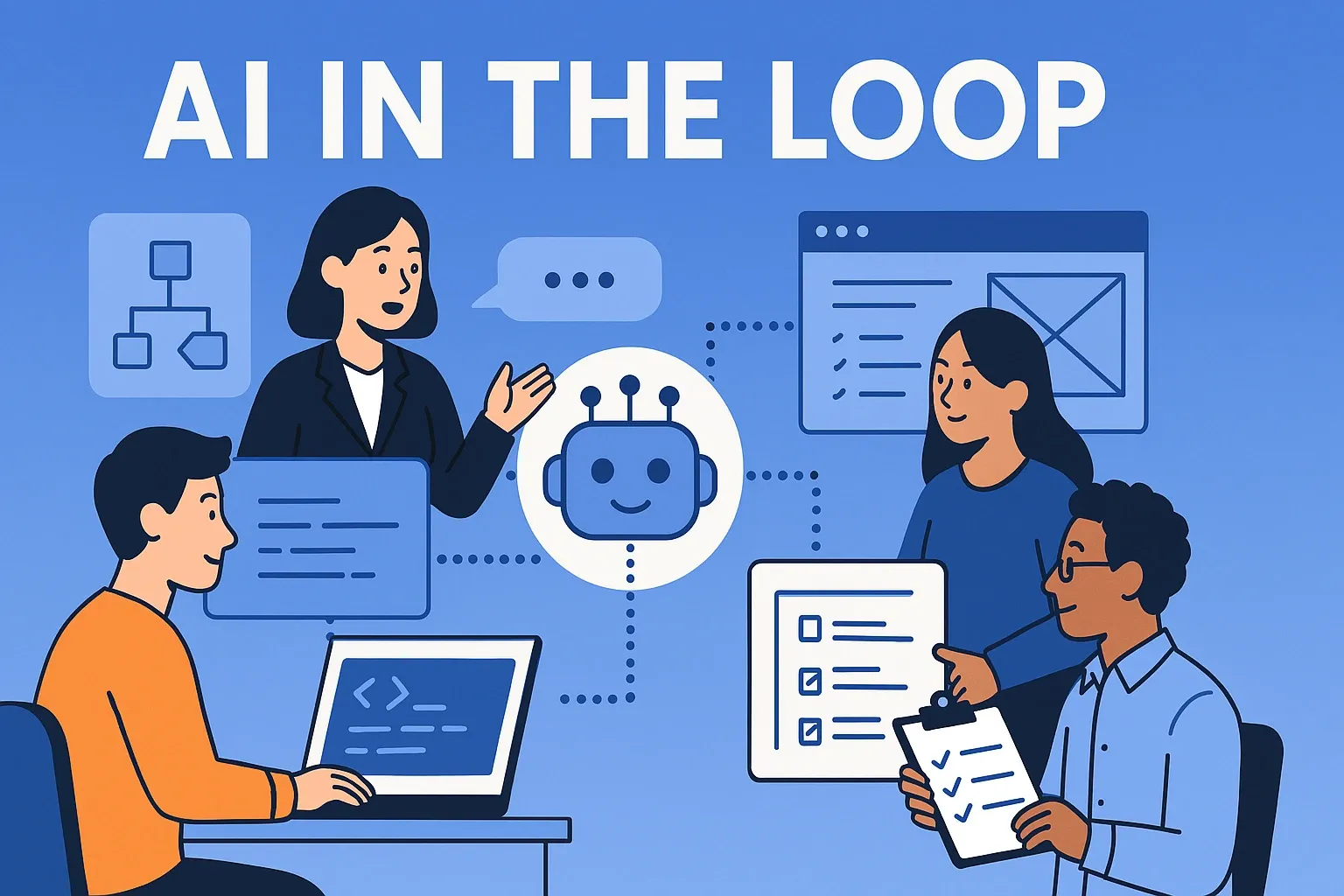
AI in the Loop: Redefining How We Build and Test
At Flywheel, AI is embedded in the dev loop. Bruno explores how we use agents to "shift QA left" by automating complex state testing before staging. He also shares lessons from building Somara, our internal platform, showing why AI speed still needs an engineer's discipline.

From “Can We?” to “How Fast?”: The Velocity Paradox
Fast builds aren’t enough anymore. Clients expect apps, AI products, and services that scale without breaking. At Flywheel, we focus on architecture, logic, and reliability, building products that survive success, not just launch quickly.

How Much Does an App Really Cost? A Founder's Guide to Smart Budgeting
We get asked this every day: “How much does it cost to build an app?” But that’s the wrong question. In this transparent guide, our CEO breaks down the real drivers of product cost, from risk tolerance and complexity to how polished your MVP needs to be. Plus: when to use no-code, when to upgrade, and how to avoid the 2 most common budget traps.
Apple Fooled Us for Over a Decade - An Unintentional Masterclass in Product Management
Even Apple takes shortcuts—and sometimes, that’s genius. In this smart, playful read, Abbas unpacks how a not-so-infinite design became a timeless PM lesson.
Stripe Integrations at Scale: The Power of a Shared Client File
Stop Scattering Stripe Logic, Here’s Why: Multiple environments, scattered Stripe code, and inconsistent secrets can turn payments into a security risk. This article explains how consolidating all Stripe logic into one shared file improves consistency, reliability, and peace of mind.

Stop Guessing, Start Knowing: The Power of Observability in FlutterFlow
Every developer knows the pain of the mysterious crash report that says only, “It didn’t work.” In this piece, Roberto Requena introduces FloggerLib — a Flywheel-built open-source library bringing structured, secure, and remote logging to FlutterFlow. Learn how to turn black-box bug hunts into real observability.

Flywheel Studio is FlutterFlow's Agency of the Year 2025
We’re excited to announce Flywheel Studio has won Agency of the Year, again 🥳.
What's better, FlutterFlow or DreamFlow?
An AI-powered experiment compared FlutterFlow and DreamFlow code quality. While Gemini rated DreamFlow's code "Good" and FlutterFlow's "Poor," the analysis argues that code readability is less critical for a visual platform. The conclusion? FlutterFlow remains a highly scalable option for app development.

Rebuilding Somara: How Vibe Coding's Going for Us
Somara started as a “vibe coding” experiment at Flywheel, using AI to rapidly build a collaborative platform for teams. What began as a quick MVP evolved into a powerful product, then was rebuilt from scratch to address scalability and technical debt. Along the way, we learned hard lessons about scope creep, AI-driven development, and the balance between speed and long-term stability.
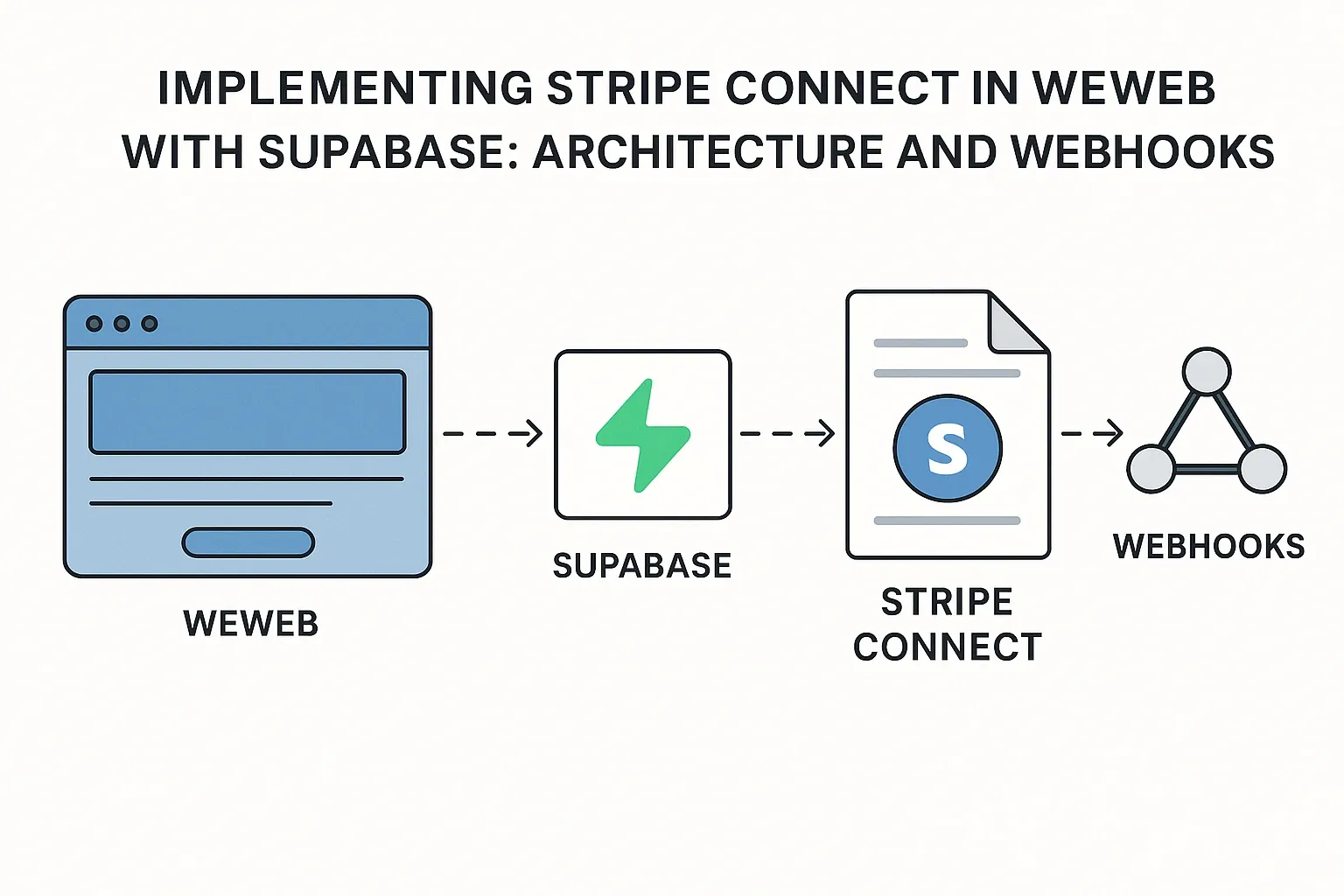
Implementing Stripe Connect in WeWeb with Supabase: Architecture and Webhooks
Built multi-business payments using Stripe Connect in WeWeb with Supabase. Edge Functions call Stripe securely; webhooks (separate platform vs Connect) keep data in sync with idempotency. Each business gets a Connect account; customers live in connected accounts; funds routed via on_behalf_of/transfer_data; platform takes fees via application_fee_amount. Result: secure, scalable, auditable billing.
Flutter vs React and React Native: What You Need to Know Before Entering the World of Mobile App Development
Flutter or React Native? This guide breaks down their differences, learning curves, and use cases to help you choose the right framework.
Forget Tokens: The Simple Way to Manage AI Costs in FlutterFlow.
Managing AI costs in FlutterFlow doesn’t need complex token systems. By leveraging RevenueCat’s new Virtual Currency API, you can create simple, secure, and scalable virtual wallets (like PINs) to tie user consumption directly to cost, no heavy backend required
Building a Scalable Data Model for Position Management and Technician Scheduling
📅 Building a Scalable Data Model for Technician Scheduling Recurring schedules are one of the hardest challenges in service-based SaaS, how do you update future work without breaking the past? In this article, we share how Flywheel engineered a robust, future-proof data model for technician management. It keeps historical data intact while allowing dynamic scheduling, checklist automation, and real-time reporting. 💡 Key takeaway: By separating positions, assignments, and schedules, businesses can confidently scale operations, updating tasks without ever rewriting history.
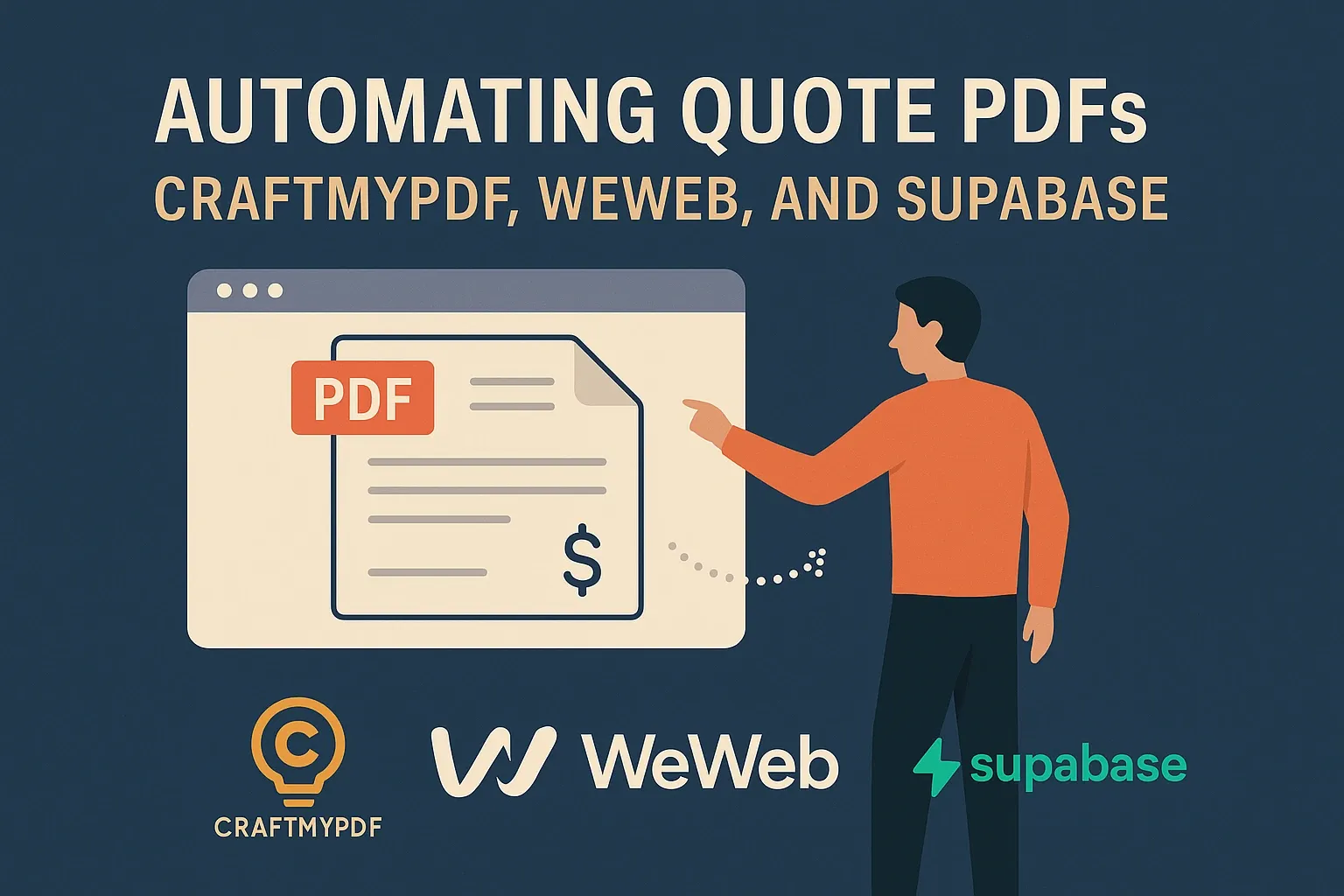
Automating Quote PDFs with CraftMyPDF, WeWeb, and Supabase
Learn how we integrated CraftMyPDF, WeWeb, and Supabase to automatically generate branded, professional quote PDFs, a secure, scalable, and fully automated workflow for modern SaaS platforms

The Mindset That Leads to Successful Apps
Successful app development isn’t just about code, it’s about collaboration. At Flywheel, we’ve seen that the strongest products are built when founders bring industry expertise, a deep understanding of their users, a focus on marketing and sales, and a collaborative mindset. When clients partner closely with us, the process is smoother, the vision stays intact, and the final product delivers real impact.
Is AI the Future of Mobile App Development? A Deep Dive into FlutterFlow's DreamFlow
AI-native development marks a new era in software creation. FlutterFlow’s DreamFlow blends visual editing, code access, and AI assistance to build apps faster than ever. It trades pixel-perfect control for unmatched speed and flexibility. Ideal for developers and startups seeking rapid prototyping, it demands technical clarity but rewards it with power.

Bridging the Gap: What Agency Clients Don’t See, but PMs Know
Product Managers thrive in the unseen space between client vision and final product. They translate abstract ideas into scoped features, align teams, manage risks, and ensure smooth delivery. From discovery to testing, PMs bridge business goals and technical execution—keeping projects on track, clients confident, and apps thriving through trust and precision.

Security by Design: How We Build Safer Mobile and Web Apps
At Flywheel, security isn’t an afterthought—it’s built into every layer. Using FlutterFlow and WeWeb, we combine no-code speed with enterprise-grade protection. From granular database rules and App Check verification to force updates and secured cloud functions, we design apps that are fast, scalable, and secure. Low-code doesn’t mean low standards—it means smart, safe, and built right.
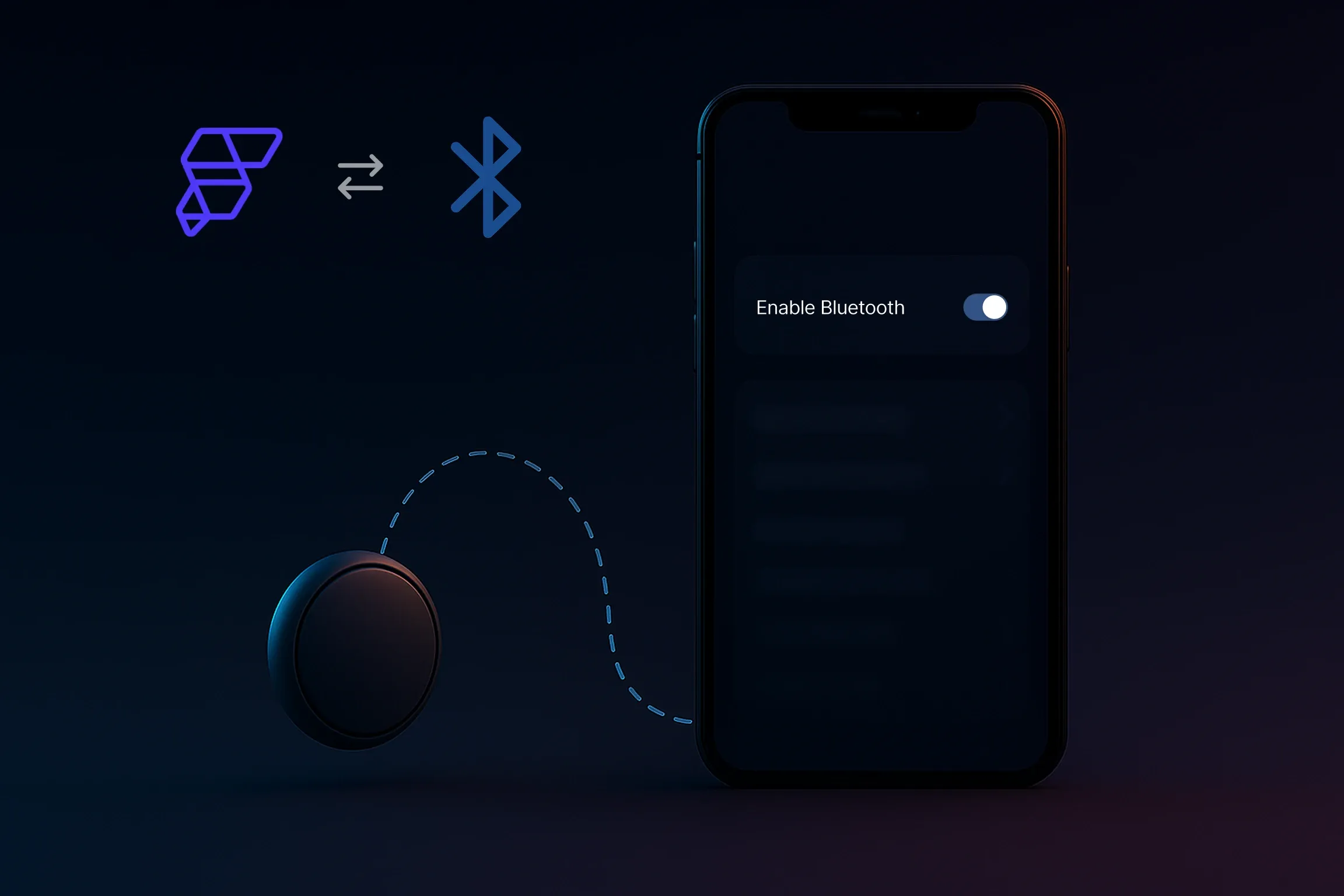
How We Built a Bluetooth (BLE) App for IoT Devices with FlutterFlow
Flywheel built a Bluetooth-powered IoT location tracking app in FlutterFlow, proving the platform can handle complex hardware integrations with custom code. Using event-driven architecture and reactive streams, the app links a smartphone’s GPS to nearby devices for efficient, battery-friendly tracking. It’s a fast, flexible way to validate IoT concepts with real-time precision.
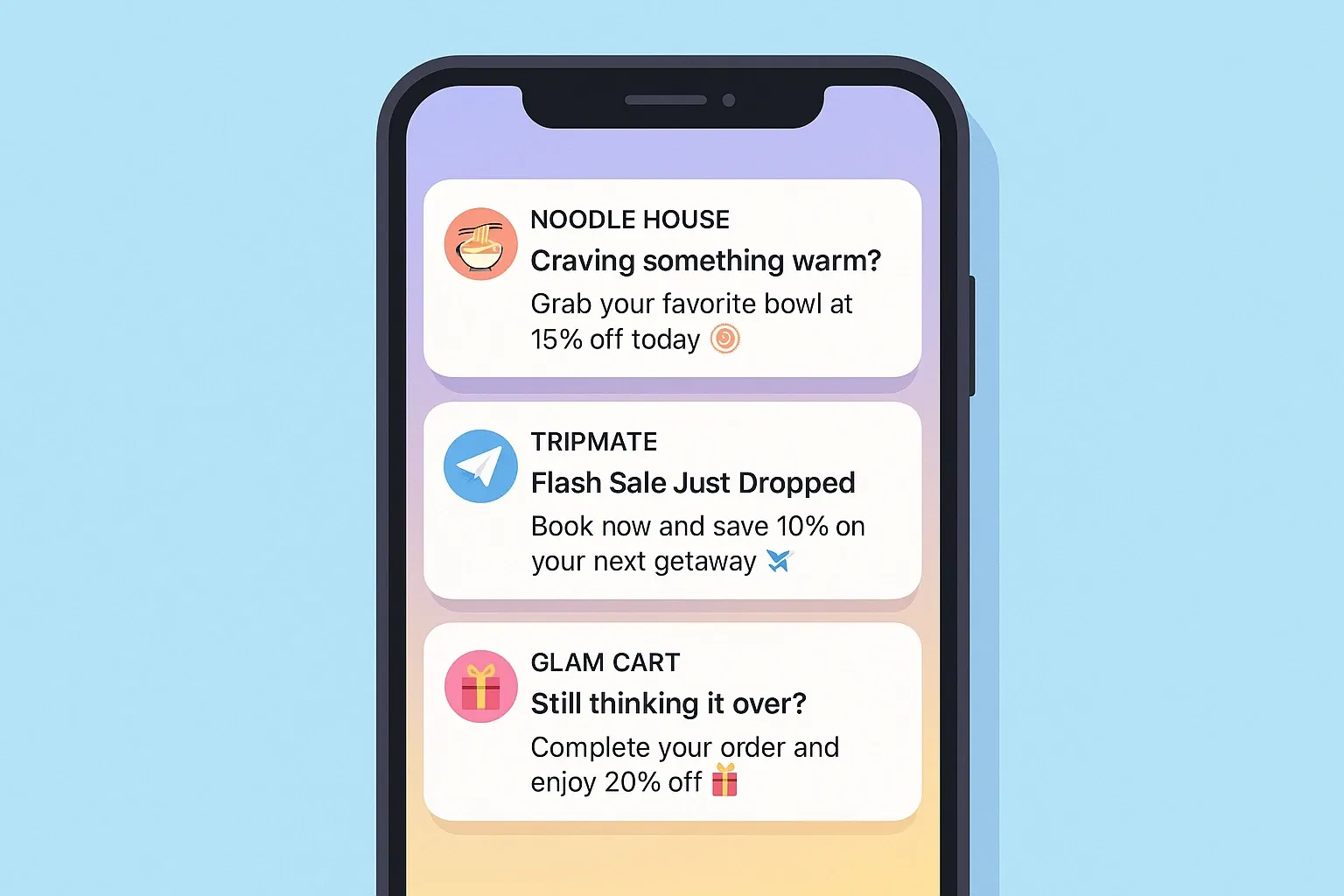
Can PWAs send Push Notifications? How PWAs and Native Apps Compare
Push notifications are key to user engagement, but not all platforms handle them equally. Native apps (iOS & Android) offer full, reliable push support—rich media, background sync, and automation—ideal for real-time apps. PWAs, while cheaper and faster to build, have major iOS limits and basic push features. Bottom line: go native if push is core; PWA if it’s optional.

Can you build HIPAA-Compliant Apps with FlutterFlow?
HIPAA compliance isn’t about tools—it’s about architecture and accountability. Flywheel built a fully compliant telehealth system using FlutterFlow for UI, Supabase for secure backend (with BAA, encryption, RLS, and audit logs), and WeWeb for staff dashboards. The result: a fast, HIPAA-safe build proving low-code speed and enterprise security can coexist when done right.

How to Actually Build Your App in 2025: A Guide for Non-Technical Founders
Building an app today is easier than ever—but the real challenge is knowing *how* to start. From AI-powered “vibe coding” to no-code tools, technical cofounders, freelancers, or agencies, each path has tradeoffs in speed, cost, and control. The key? Choose based on your skills, goals, and learning appetite. There’s no magic tool—only smart strategy and execution.

Flywheel Digest Newsletter | AI Product Development & Mobile App Growth Insights
Subscribe to Flywheel Digest, a monthly newsletter with insights on AI-driven product development, mobile app strategy, SaaS growth, UX optimization, and startup innovation.

Building No-Code Apps Like a Pro: Are You Following Developer Standards? (Data Layer Second Part)
Flywheel’s developer standards for using Firebase as a NoSQL database in low-code projects. It emphasizes database diagrams for clarity, consistent naming conventions (snake_case for fields, plural for collections), and structured DataTypes in CamelCase for related data. Proper relationships, secure subcollections, and minimal redundant queries ensure scalable, efficient, and maintainable NoSQL architecture.

Unlocking Supabase Secrets: Supercharge Your FlutterFlow App’s Performance
When a client reported slower load times, we optimized their FlutterFlow app using Supabase’s built-in Performance Advisor—no redeploy needed. The tool highlighted key improvements: adding indexes for faster queries, optimizing Row Security Levels (RSL) with caching, and reviewing advisor “Resolve” tips for precise fixes. After implementation, startup speed improved significantly.

How to Implement Table-Level Access Control with Supabase RLS
Row-Level Security (RLS) in PostgreSQL lets developers control data access at the row level—essential for securing no-code/low-code apps built in tools like FlutterFlow or WeWeb. By defining policies through views and custom functions within a secondary schema (e.g., `back_safe`), you can safely manage permissions, prevent recursion, and ensure only authorized users access sensitive data—offering scalable, database-level protection across all CRUD operations.
Streamlining Email Automation: Integrate Supabase with Resend for Seamless Communication
Integrating **Supabase** and **Resend** streamlines automated email delivery for your app. Supabase manages authentication and data, while Resend handles professional, reliable email sending. After verifying your domain and configuring SMTP, Supabase triggers transactional emails—like user verification—via Resend. Add templates for branded messages, or use Edge Functions for event-based automation. This setup boosts communication, scalability, and user experience effortlessly.

How we Implemented Secure Biometric Authentication in FlutterFlow
FlutterFlow lacks native biometric login, but you can add it securely using Flutter Secure Storage. Create custom actions to store, retrieve, and delete encrypted credentials. During login, prompt for biometric verification, decrypt just-in-time, use credentials, and immediately discard them. This keeps email/password safe while enabling fingerprint or face-based access.

Building No-Code Apps Like a Pro: Are Your Data Layer Practices Up to Developer Standards?
This article examines developer standards for the Data Layer in no-code/low-code platforms, such as FlutterFlow and WeWeb. It emphasizes creating a Database Diagram before development, using consistent naming conventions, and applying database normalization (up to 3NF) for data integrity. With Supabase for SQL and Firebase for NoSQL, following structured standards—like primary keys, indexes, and clear schema design—ensures scalability, clarity, and long-term maintainability.
State Management in FlutterFlow: Building Custom Widgets with Shared State
FlutterFlow’s flexibility allows adding custom code to overcome platform limits—like sharing state from custom widgets. In this tutorial, a Singleton pattern is used to make a widget’s state accessible app-wide. By storing state in a single shared instance and exposing it via a FlutterFlow custom action, developers can safely sync data between widgets and actions. This method powered the author’s award-winning *Uploady* component.

How we use AI for Social Network Content Moderation
Flywheel Studio uses AI and Firebase to automate content moderation, improving user experience and reducing admin workload.
Supabase vs Firebase: Which is Best for Your Project?
Flywheel Studio builds Product Led web and mobile applications for venture backed startups. We're not an agency. We're your in-house Product Team.

Implementing Anonymous Authentication with WeWeb and Supabase
Learn how we implement anonymous authentication in your web application using WeWeb and Supabase to enhance user experience, improve retention, and ensure data security with seamless transitions from anonymous to registered users.

How We Used Anonymous Users to Improve User Journeys
Discover how Flywheel streamlined user transitions from anonymous to registered with FlutterFlow and Firebase integration.

How we built Handy, a ChatGPT-like Experience with FlutterFlow and Supabase
Learn how we built a ChatGPT-style chat using OpenAI’s API in FlutterFlow with Supabase for real-time responses.

What Nobody Tells You About Building and Maintaining a Mobile App
Building a mobile app can be an exciting venture, but there are many challenges that developers and founders often don’t anticipate. Here’s a breakdown of the key insights shared by Erik from Flywheel Studio, which shed light on what really goes into developing, launching, and maintaining a successful mobile app.

How to Track and Improve App Metrics: A Step-by-Step Guide
When your app is live in the App Store, understanding how users engage with it and how to track key metrics is crucial for growth. This guide, based on insights from Flywheel Studio, walks through essential app metrics and how to interpret them.

Boost Your App’s Visibility: Leveraging App Store Optimization
Increase app visibility with App Store Optimization, including Product Page Optimization, Custom Pages, and In-App Events.

Why We Build Minimum Lovable Products
Flywheel Studio prioritizes Minimum Lovable Products (MLPs) to quickly validate ideas with well-designed, user-focused apps.

What Does Apple's Announcement Mean for App Developers?
Apple's WWDC24 AI updates impact developers with Siri integration, App Intents, and new competitive edges for mobile apps.

The Importance of UI/UX Design in App Development
Discover how UI/UX design boosts app engagement and retention, featuring real success stories from Flywheel Studio.

Mobile App Development: Complexity Costs & How to Avoid Them
Mobile app development in 2022 costs between $40,000 and $300,000, with complex features driving up the price.

Introducing Our Client Success Team
Flywheel Studio introduces the Client Success Team (CST), dedicated to enhancing services based on your feedback.
How We Improved SparkCharge’s Conversion Rate by 36%
Flywheel Studio boosted SparkCharge's app conversion rate by 36% with strategic design changes, optimizing user flow and deferring profile setup.
How Flywheel Supports Apps After Launch
See how Flywheel Studio ensures app success with hyper care, ongoing development, analytics, and custom marketing.

Developer Standards for No-Code Application Development at Flywheel Studio
Flywheel Studio's standards in FlutterFlow ensure quality with clear naming, structured components, and custom code practices.

Creating a Multi-Page Feedback Form in FlutterFlow
Create a multi-page feedback form in FlutterFlow using PageView, with steps for navigation, visibility, and user interactions.

Building the Factory Before the Product
Avoid scope creep by focusing on a Minimum Lovable Product (MLP) to save time, resources, and ensure project success.

Why Projects Fail
After every Flywheel Studio project, we perform a retrospective. We've found two consistent reasons why technology projects fail and more importantly, how to prevent that from happening.
No-Code to Code Migration
Thinking about moving from No-Code to Code? We've done that before and learned a few things on the way.

Information Security & No Code
There's almost no information security in No Code. So how do we keep our apps, clients, and users safe?

Congratulations, SparkCharge!
SparkCharge raised a Series A funding investment of $23 million co-led by Tale Venture Partners and Pendulum.
The App Store Feature Drop
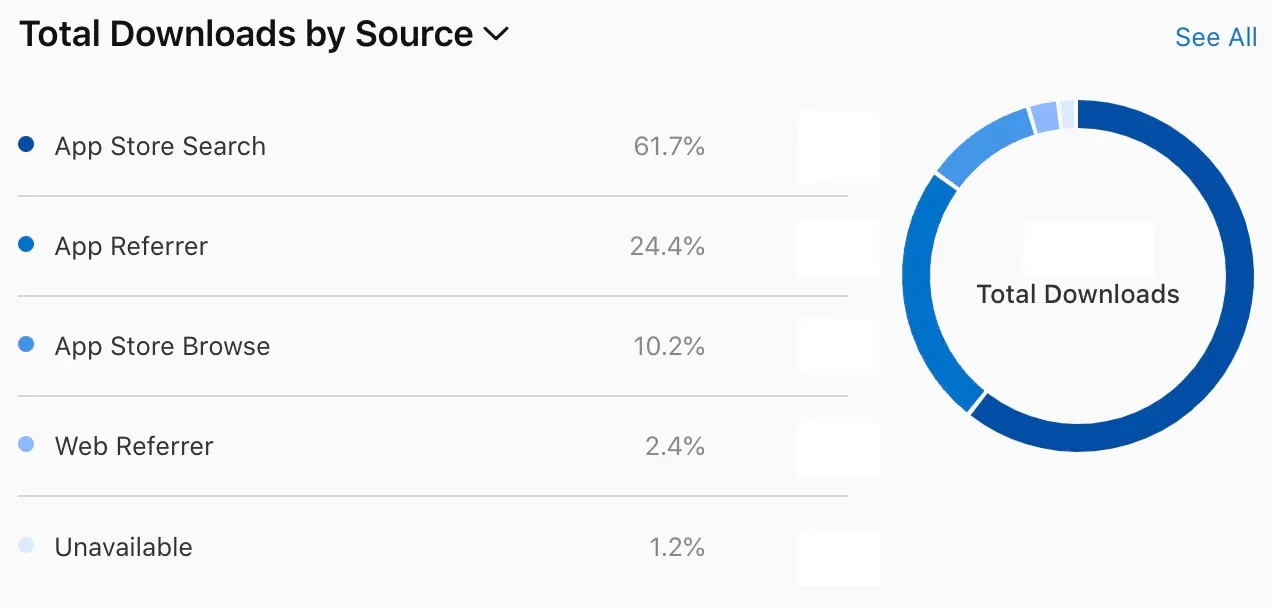
The App Store has released three new features that'll help you improve your listing and it's performance.