XNXubd VPN Browser: Fast & Secure Tool or Risky Download? (2026 Analysis) - Flywheel Studio

XNXubd VPN Browser: Fast & Secure Tool or Risky Download? (2026 Analysis)
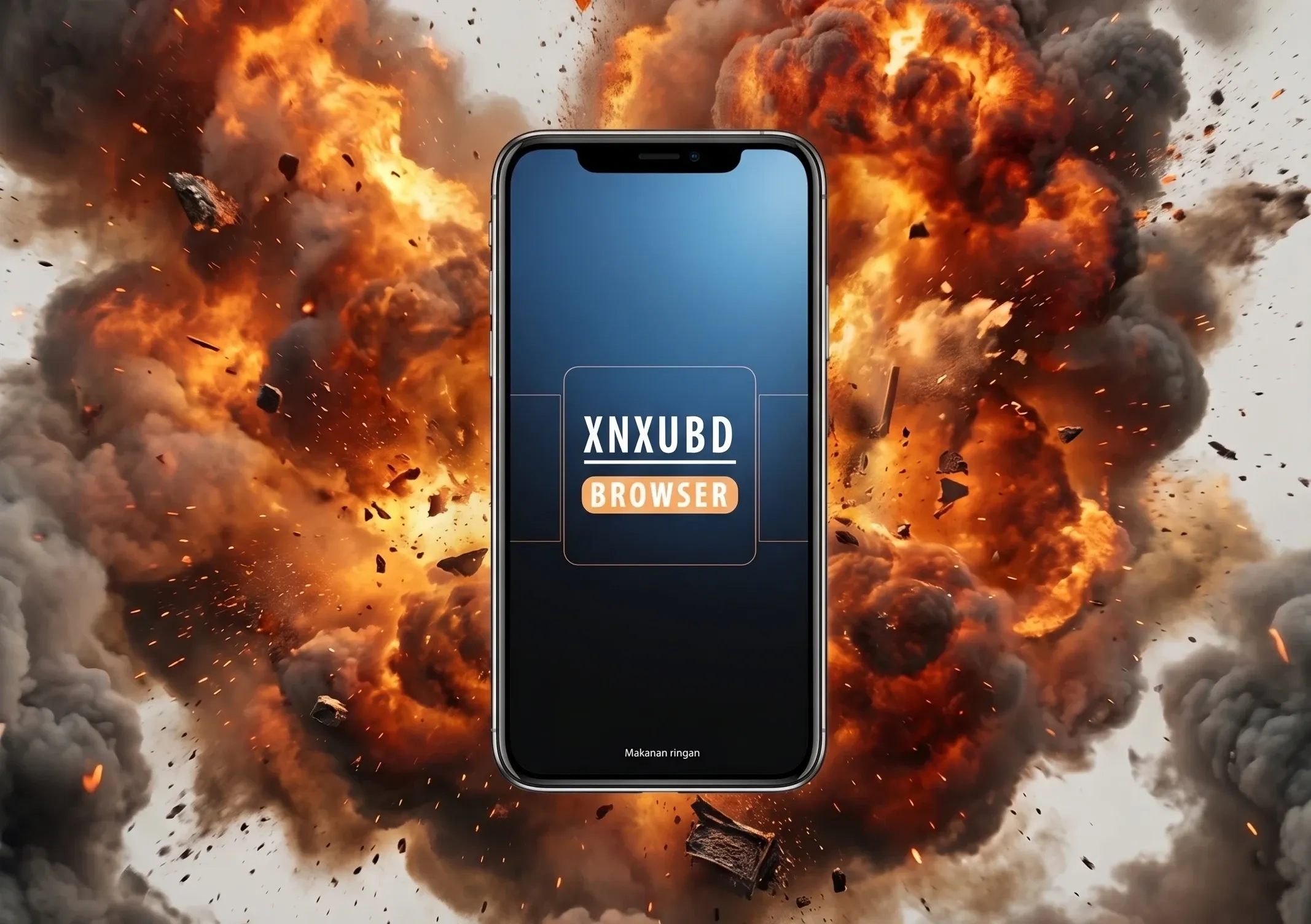
XNXubd VPN Browser: Fast & Secure Tool or Risky Download? (2026 Analysis)

XNXubd VPN Browser: Fast & Secure Tool or Risky Download? (2026 Analysis)

XNXubd VPN Browser
XNXubd VPN Browser

XNXubd VPN Browser: Fast & Secure Tool or Risky Download? (2026 Analysis)

XNXubd VPN Browser: Fast & Secure Tool or Risky Download? (2026 Analysis)

By

Rodrigo Martinez

Published on:

The promise is tempting. A lightweight browser with a built-in VPN, faster speeds, and access to restricted content—all in a single APK. That’s exactly how XNXubd VPN Browser is being promoted across forums like Reddit, where users frame it as a simple way to browse privately without the friction of traditional VPN setups.

But when something sounds that convenient, it’s worth asking a harder question: what’s actually behind it?

The reality is far less clear—and far more concerning.

Independent analyses from sources like TechRadar and Tom’s Guide paint a very different picture from the one circulating on Reddit. Instead of a secure browsing solution, they highlight a lack of transparency, questionable security practices, and potential risks that most users wouldn’t notice at first glance.

The Appeal: Why XNXubd Is Gaining Attention

The rise of tools like XNXubd is not accidental. Users are actively searching for simpler, faster alternatives to traditional VPNs. Installing a single APK that promises both browsing and privacy feels efficient, especially for users trying to bypass restrictions or protect their data quickly.

The Reddit narrative reinforces this appeal. It positions the app as accessible, lightweight, and “good enough” for everyday use. In a world where convenience often wins over caution, that message spreads fast.

But convenience is not the same as security.

The Reality: What Experts Are Warning About

According to TechRadar’s analysis, there is little verifiable information about how XNXubd actually works. Key details—like encryption standards, server infrastructure, and data handling policies—are either missing or unclear. That alone is a red flag in the VPN space, where transparency is critical.

Tom’s Guide goes even further, explicitly warning users not to download the app. Their concern is not just about performance, but about safety. APK-based tools distributed outside official app stores bypass standard security checks, increasing the risk of malware, data harvesting, or hidden tracking mechanisms.

In other words, what is marketed as a privacy tool could potentially do the opposite.

The SOWT Analysis

Strengths

The main strength of XNXubd lies in its simplicity. It removes friction by combining a browser and VPN into one tool, making it appealing for non-technical users. The low barrier to entry and fast setup are exactly what drive its viral growth in communities like Reddit.

Opportunities

There is a clear market opportunity here. Users want integrated, easy-to-use privacy tools. The demand for frictionless browsing and built-in VPN solutions is real, especially in regions with restricted access or high privacy concerns.

Weaknesses

The biggest weakness is the complete lack of credibility. Without verified security standards, audits, or a transparent company behind it, users have no way of knowing how their data is handled. This undermines the core value proposition of any VPN: trust.

Threats

The risks are significant. Downloading APKs from unverified sources exposes users to malware, spyware, and data leaks. Beyond individual risk, there is also a broader threat: tools like this erode trust in legitimate privacy solutions by blurring the line between real security products and unsafe alternatives.

The Bigger Problem: The Illusion of Security

What makes XNXubd particularly concerning is not just the app itself, but what it represents. It highlights a growing issue in the tech ecosystem: the illusion of security.

Users are increasingly relying on tools that claim to protect their privacy without understanding how those claims are validated. The combination of AI-generated marketing, viral posts, and low-friction distribution makes it easier than ever for questionable software to gain traction.

In that context, XNXubd is not an isolated case—it’s part of a larger trend.

Final Thoughts

XNXubd VPN Browser might look like a convenient shortcut to private browsing, but the lack of transparency and strong warnings from credible sources suggest otherwise. In cybersecurity, trust is everything. And when a tool cannot clearly explain how it protects your data, that trust simply doesn’t exist.

In 2026, the real advantage isn’t finding the fastest workaround—it’s knowing which tools are actually safe to use.

The promise is tempting. A lightweight browser with a built-in VPN, faster speeds, and access to restricted content—all in a single APK. That’s exactly how XNXubd VPN Browser is being promoted across forums like Reddit, where users frame it as a simple way to browse privately without the friction of traditional VPN setups.

But when something sounds that convenient, it’s worth asking a harder question: what’s actually behind it?

The reality is far less clear—and far more concerning.

Independent analyses from sources like TechRadar and Tom’s Guide paint a very different picture from the one circulating on Reddit. Instead of a secure browsing solution, they highlight a lack of transparency, questionable security practices, and potential risks that most users wouldn’t notice at first glance.

The Appeal: Why XNXubd Is Gaining Attention

The rise of tools like XNXubd is not accidental. Users are actively searching for simpler, faster alternatives to traditional VPNs. Installing a single APK that promises both browsing and privacy feels efficient, especially for users trying to bypass restrictions or protect their data quickly.

The Reddit narrative reinforces this appeal. It positions the app as accessible, lightweight, and “good enough” for everyday use. In a world where convenience often wins over caution, that message spreads fast.

But convenience is not the same as security.

The Reality: What Experts Are Warning About

According to TechRadar’s analysis, there is little verifiable information about how XNXubd actually works. Key details—like encryption standards, server infrastructure, and data handling policies—are either missing or unclear. That alone is a red flag in the VPN space, where transparency is critical.

Tom’s Guide goes even further, explicitly warning users not to download the app. Their concern is not just about performance, but about safety. APK-based tools distributed outside official app stores bypass standard security checks, increasing the risk of malware, data harvesting, or hidden tracking mechanisms.

In other words, what is marketed as a privacy tool could potentially do the opposite.

The SOWT Analysis

Strengths

The main strength of XNXubd lies in its simplicity. It removes friction by combining a browser and VPN into one tool, making it appealing for non-technical users. The low barrier to entry and fast setup are exactly what drive its viral growth in communities like Reddit.

Opportunities

There is a clear market opportunity here. Users want integrated, easy-to-use privacy tools. The demand for frictionless browsing and built-in VPN solutions is real, especially in regions with restricted access or high privacy concerns.

Weaknesses

The biggest weakness is the complete lack of credibility. Without verified security standards, audits, or a transparent company behind it, users have no way of knowing how their data is handled. This undermines the core value proposition of any VPN: trust.

Threats

The risks are significant. Downloading APKs from unverified sources exposes users to malware, spyware, and data leaks. Beyond individual risk, there is also a broader threat: tools like this erode trust in legitimate privacy solutions by blurring the line between real security products and unsafe alternatives.

The Bigger Problem: The Illusion of Security

What makes XNXubd particularly concerning is not just the app itself, but what it represents. It highlights a growing issue in the tech ecosystem: the illusion of security.

Users are increasingly relying on tools that claim to protect their privacy without understanding how those claims are validated. The combination of AI-generated marketing, viral posts, and low-friction distribution makes it easier than ever for questionable software to gain traction.

In that context, XNXubd is not an isolated case—it’s part of a larger trend.

Final Thoughts

XNXubd VPN Browser might look like a convenient shortcut to private browsing, but the lack of transparency and strong warnings from credible sources suggest otherwise. In cybersecurity, trust is everything. And when a tool cannot clearly explain how it protects your data, that trust simply doesn’t exist.

In 2026, the real advantage isn’t finding the fastest workaround—it’s knowing which tools are actually safe to use.

Related Articles

Book an introductory call

We'd love to hear about what you're working on…

© 2026 Flywheel

Book an introductory call

We'd love to hear about what you're working on…

© 2026 Flywheel

Book an introductory call

We'd love to hear about what you're working on…

Book an introductory call

We'd love to hear about what you're working on…

© 2026 Flywheel